

- Large Variation of Pick-up Rate of PP Pre-spinning Oil: How to Control Oil Uniformity on Yarn
- Deterioration and Odor of Polypropylene Yarn Pre-spinning Oil Emulsion: Common Pitfalls in Storage and Dilution
- Fuzz and Break‑outs in High‑Speed Spinning with Polypropylene Pre‑Spinning Oil? Analysis of Pitfalls in Wetting Performance and Anti‑Coking Property
- How to Match Proper Spinning Oil for Geotextile and Hygiene‑Grade Polypropylene Staple Fiber
- Carding‑Roller Tangling Caused by Polypropylene Staple Fiber Oil? Analysis of Production Risks Brought by Thermal‑Stability & Emulsion Compatibility

- Contact: Miss Tang
- Telephone: 0086-18926870629
- Email: taonano@taonanooil.com
- Address:No. 59, Liantang Road, Sanzhong Village, Qingxi Town, Dongguan City, Guangdong Province
The US Treasury Department recently announced the renewal of a licensing exemption, allowing countries to purchase sanctioned Russian oil that has been loaded onto tankers. The exemption period is nearly one month, ending on May 16th. This decision replaces the previous 30-day exemption that expired on April 11th, drawing widespread attention from the global energy market and related industries.
It is worth noting that there has been a significant reversal in this exemption. Just a few days ago, US Treasury Secretary Scott Becker explicitly stated that such measures would not be implemented. However, due to the conflict between the United States and Israel over Iran, global energy prices have soared. As of now, the conflict has entered its eighth week, and the blockage of shipping in the Strait of Hormuz has exacerbated the energy supply shortage. The New York crude oil futures have once reached a high level. A spokesperson for the US Treasury Department said that this move is aimed at ensuring that countries with demand can obtain stable oil supplies, in order to control global energy prices and alleviate the inflationary pressure in the United States itself. However, the scope of this exemption is limited, covering only the Russian oil that has been shipped, and it clearly excludes transactions related to Iran, Cuba, and North Korea. EU Commission President Ursula von der Leyen publicly stated that the current time is not suitable for easing sanctions against Russia.
For the textile industry, oil is the core source throughout the entire production chain. Among the fibers used in the global textile industry, over 60% are synthetic fibers. The raw materials for varieties such as polyester, nylon, and spandex all come from the downstream products of oil refining. Previously, the international oil price soared, and the domestic prices of chemical fiber raw materials rose significantly. Some varieties saw an overnight increase of more than 20%. Coupled with the rising energy costs and auxiliaries costs in the dyeing process, the procurement and production costs of textile enterprises were under pressure at all levels. Many small fabric factories and clothing factories were forced to reduce profits and even suspend orders. Data shows that the cost of fabrics accounts for 60% to 70% of the total cost of clothing.
Industry insiders analyze that the extension of the exemption period for Russian oil by the United States is expected to increase global oil supply in the short term and cool down the chemical fiber raw material market. However, it should be noted that this exemption is only a short-term measure, with a duration of only one month, and it only involves approximately 100 million barrels of Russian oil in transit. Its effect in alleviating global energy shortages is limited. Moreover, as the main beneficiary, the Indian textile industry may be the first to obtain cost benefits, enhancing the price competitiveness of its products in the international market and bringing certain competitive pressure to domestic enterprises.
At present, domestic textile enterprises are closely monitoring the oil price trend. Many enterprises have stated that they will seize the short-term window period to optimize their raw material procurement plans and reasonably control inventory. Industry experts warn that enterprises need to be vigilant about the rebound in oil prices after the exemption ends. In the long term, they should accelerate technological upgrades and explore alternative raw material paths to enhance supply chain resilience. Overall, this policy adjustment has brought a short-term breathing space to the continuously pressured textile industry. However, the complex game of global energy patterns still makes the cost trend of the industry highly variable.
Declaration: The content of this article is compiled from the internet and is copyrighted by the original author; if any infringement is found, please notify us immediately and we will delete it.
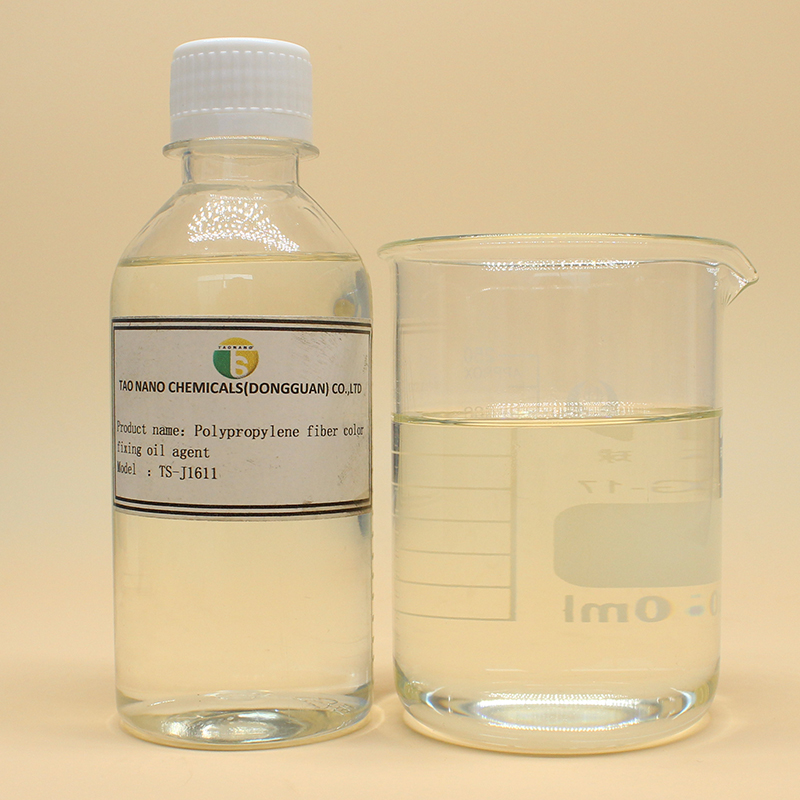
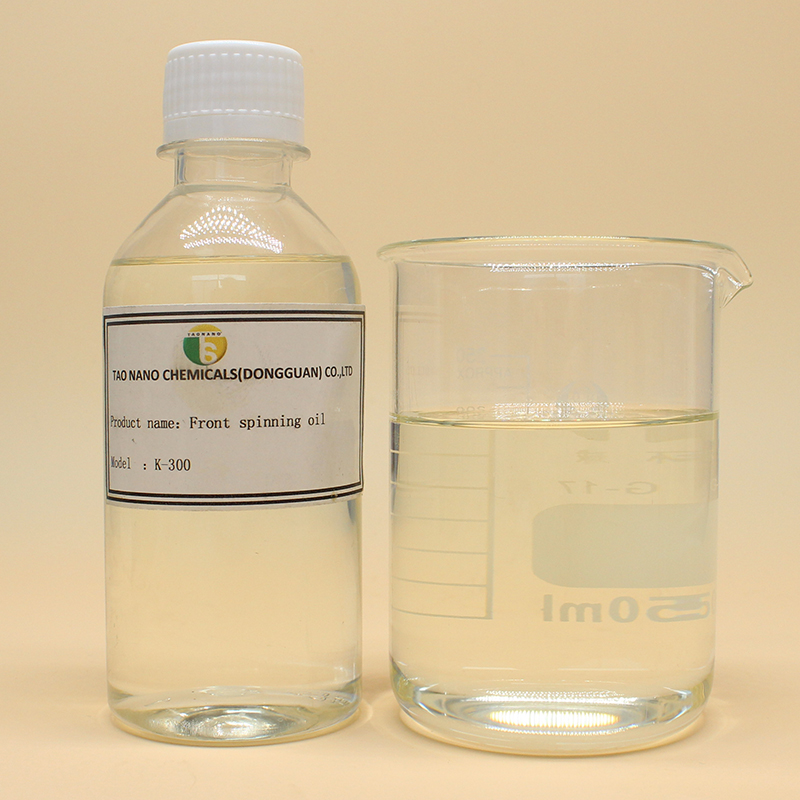
- Large Variation of Pick-up Rate of PP Pre-spinning Oil: How to Control Oil Uniformity on Y
- Deterioration and Odor of Polypropylene Yarn Pre-spinning Oil Emulsion: Common Pitfalls in
- Fuzz and Break‑outs in High‑Speed Spinning with Polypropylene Pre‑Spinni
- How to Match Proper Spinning Oil for Geotextile and Hygiene‑Grade Polypropylene Stap
- Carding‑Roller Tangling Caused by Polypropylene Staple Fiber Oil? Analysis of Produc