

- Fuzz and Break‑outs in High‑Speed Spinning with Polypropylene Pre‑Spinning Oil? Analysis of Pitfalls in Wetting Performance and Anti‑Coking Property
- How to Match Proper Spinning Oil for Geotextile and Hygiene‑Grade Polypropylene Staple Fiber
- Carding‑Roller Tangling Caused by Polypropylene Staple Fiber Oil? Analysis of Production Risks Brought by Thermal‑Stability & Emulsion Compatibility
- Tighter Environmental‑protection Requirements Require Spinning Oil Agents to Balance Spinning Performance and Waste‑water Treatability
- Focusing on Circulating‑oiling Working Conditions, Tao Nano Chemicals Optimizes Low‑foam & Anti‑precipitation Performance of Polypropylene yarn spinning oil

- Contact: Miss Tang
- Telephone: 0086-18926870629
- Email: taonano@taonanooil.com
- Address:No. 59, Liantang Road, Sanzhong Village, Qingxi Town, Dongguan City, Guangdong Province
What is Polypropylene Staple Fiber Oil?
Polypropylene Staple Fiber Oil, often referred to as PP spinning finish or simply fiber oil, is a specialized chemical auxiliary critical to the manufacturing of polypropylene staple fibers. As a synthetic fiber with low moisture absorption and high electrical resistance, polypropylene is prone to static buildup and friction during high-speed spinning. The application of this specialized oil creates a microscopic film on the fiber surface, acting as a vital lubricant and antistatic agent. Without this essential treatment, the production of high-quality staple fibers would be impossible due to breakage and entanglement.
Core Functions in Production
The efficacy of Polypropylene Staple Fiber Oil directly dictates the quality of the final textile product. Its primary roles include:
Friction Reduction: The oil significantly lowers the dynamic friction coefficient between fibers and metal guides. This lubrication prevents "fuzzing" and breakage during the high-speed drawing and crimping processes, ensuring smooth operation on the spinning line.
Antistatic Protection: By introducing conductive components to the fiber surface, the oil dissipates static electricity generated during processing. This prevents fibers from repelling each other or clinging to machinery, which is crucial for maintaining fiber integrity.
Cohesion and Emulsification: A good fiber oil provides necessary "cohesion" or "oil stickiness," keeping the fiber bundle together (bundling) without being too sticky. Furthermore, modern formulations are designed to be easily washable, ensuring the oil can be removed in subsequent dyeing or finishing stages without leaving residues.
Industry Trends and Technical Evolution
The market for Polypropylene Staple Fiber Oil is evolving rapidly, driven by the textile industry's shift towards sustainability and high-speed automation.
Green Chemistry: With stricter environmental regulations, manufacturers are moving away from traditional petrochemical bases toward bio-based and biodegradable formulations. Esters and fatty acid derivatives are replacing non-biodegradable surfactants to meet eco-label standards.
High-Speed Adaptability: As spinning speeds exceed 3,000 meters per minute, the thermal stability and emulsion stability of the oil become critical. Advanced formulations now utilize specialized emulsifiers (like SOPE series) and antistatic agents (such as phosphate esters) to withstand high shear rates and temperatures without breaking down or causing yellowing.
Anti-Yellowing Properties: For light-colored or white fibers, anti-phenol yellowing agents are increasingly incorporated into the oil formula to ensure the fabric retains its brightness during storage and transport.
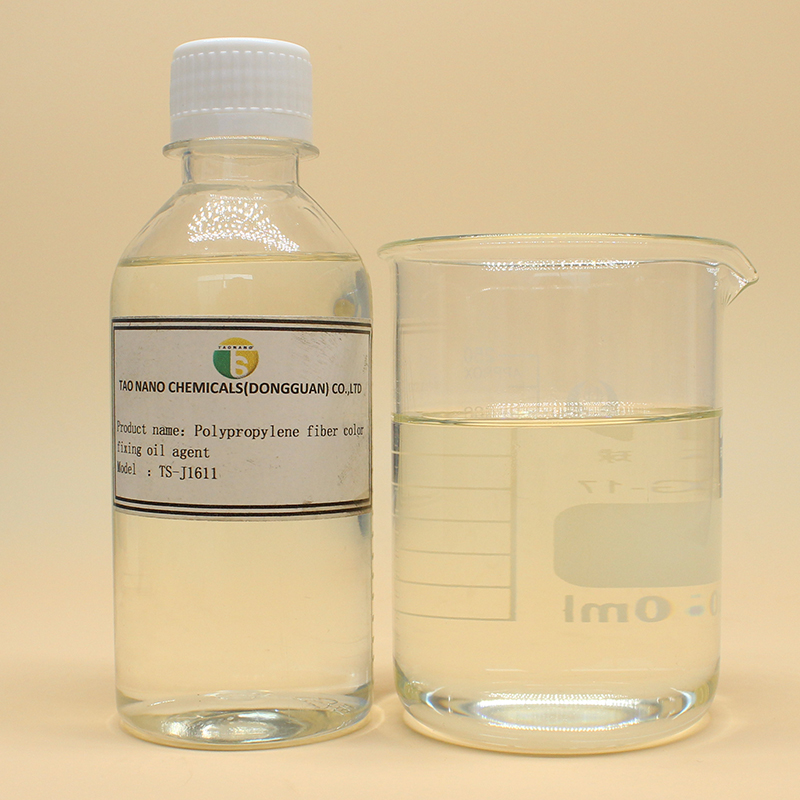
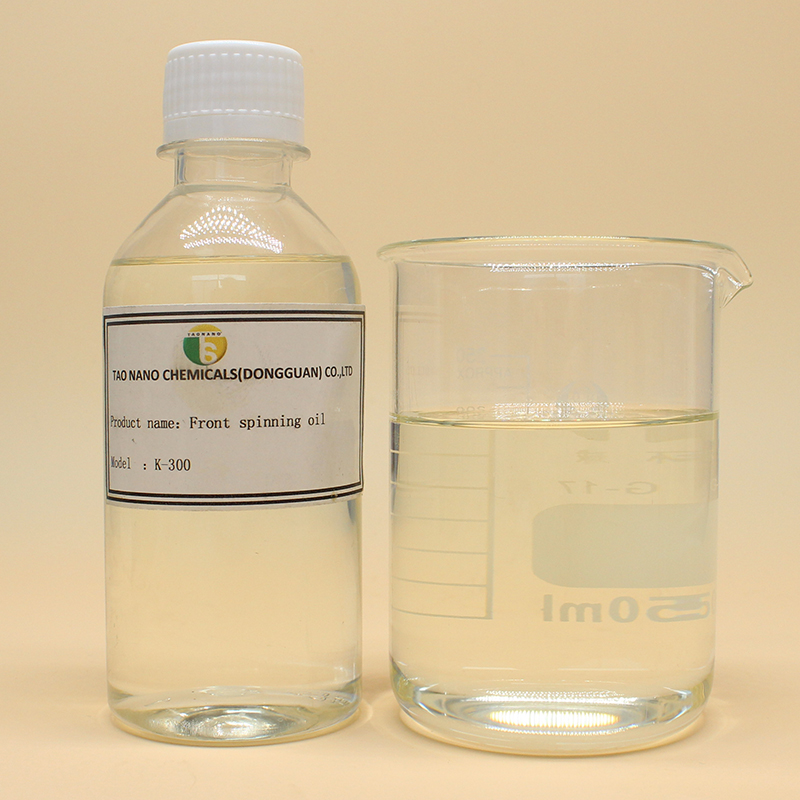
- Fuzz and Break‑outs in High‑Speed Spinning with Polypropylene Pre‑Spinni
- How to Match Proper Spinning Oil for Geotextile and Hygiene‑Grade Polypropylene Stap
- Carding‑Roller Tangling Caused by Polypropylene Staple Fiber Oil? Analysis of Produc
- Tighter Environmental‑protection Requirements Require Spinning Oil Agents to Balance
- Focusing on Circulating‑oiling Working Conditions, Tao Nano Chemicals Optimizes Low&