
- Which Indicators of Polypropylene Staple Fiber Oil Determine Roller‑Wrapping and Fiber Agglomeration in High‑Speed Carding Process
- What Cascading Troubles Will Pre‑Coking Heat‑Transfer Oil Bring to Polypropylene Fiber Spinning Lines
- Deterioration and Odor of Polypropylene Yarn Pre-spinning Oil Emulsion: Common Pitfalls in Storage and Dilution
- Large Variation of Pick-up Rate of PP Pre-spinning Oil: How to Control Oil Uniformity on Yarn
- Fuzz and Break‑outs in High‑Speed Spinning with Polypropylene Pre‑Spinning Oil? Analysis of Pitfalls in Wetting Performance and Anti‑Coking Property

- Contact: Miss Tang
- Telephone: 0086-18926870629
- Email: taonano@taonanooil.com
- Address:No. 59, Liantang Road, Sanzhong Village, Qingxi Town, Dongguan City, Guangdong Province
As polypropylene staple fiber production lines run at higher speed, many chemical‑fiber factories face a common trouble: all spinning‑stage test data pass, yet finished fibers trigger frequent roller‑wrapping, neps and fiber agglomeration on high‑speed carding machines, lowering non‑woven yield and forcing frequent equipment shutdown for cleaning. Most factories firstly adjust carding gap and rotating speed, while overlooking fundamental influences brought by Polypropylene staple fiber oil formulation and performance.
Polypropylene is synthetic fiber with ultra‑low moisture regain and prone to static accumulation. Polypropylene staple fiber oil fulfills three core functions: lubrication, anti‑static property and bundling effect. Unbalanced anti‑static components cause excessive surface resistivity; static electricity builds up during carding friction and fibers repel each other to form clumps. Improper ratio of smoothing components brings two troubles: insufficient lubrication generates hairy filaments; excessive lubrication results in fiber slipping and roller‑sticking. Besides, poor thermal stability of oil leads to component decomposition after drawing and heat‑setting, and carding performance drops sharply in downstream processes.
Many purchasers only focus on unit price and select low‑cost oil with insufficient active ingredients. Lab trial runs may seem acceptable, yet emulsion system breaks down and active components deplete during continuous mass production. Oil pick‑up fluctuates greatly and mass defects occur on carding machines. Polypropylene staple fiber oil cannot adopt one‑size‑fits‑all formula. Requirements for anti‑static performance, thermal stability and emulsion stability differ for geotextile, automotive interior and hygiene non‑woven applications.
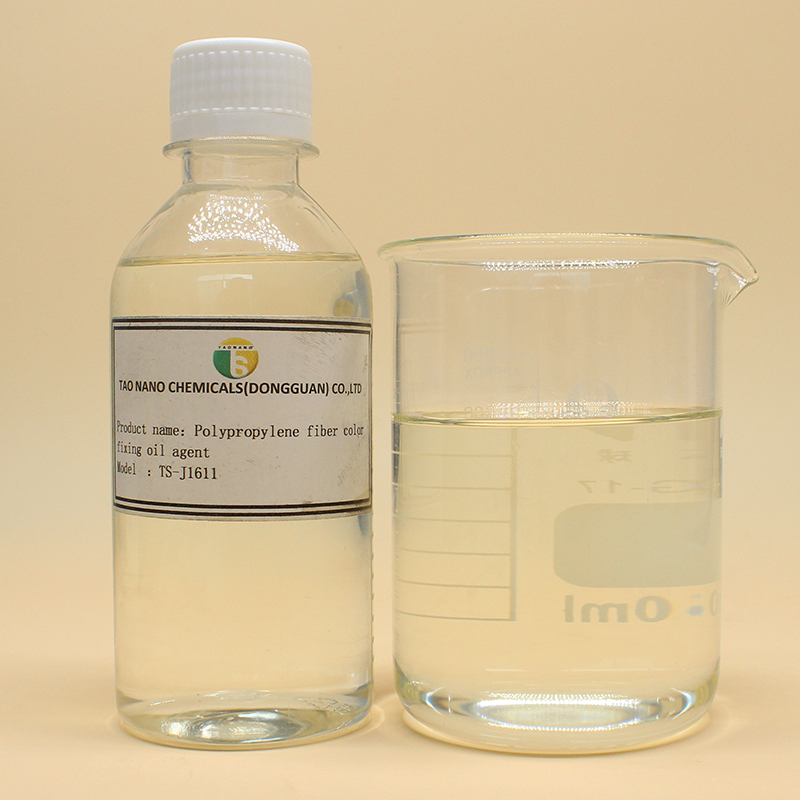
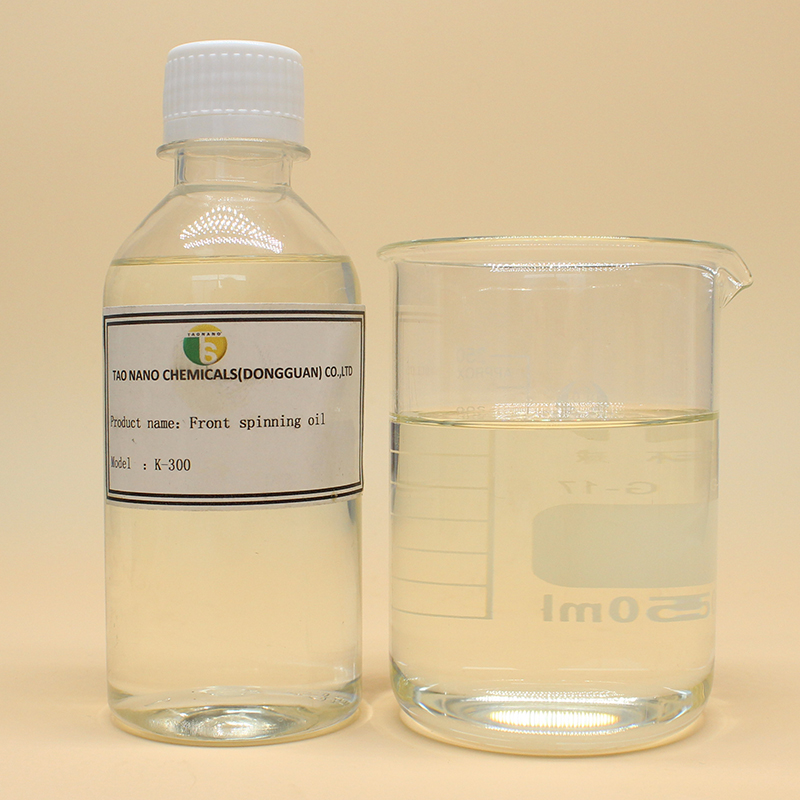
TAO NANO CHEMICALS(DONGGUAN) CO.,LTD. (Official website: http://www.cntaonano.com) has professional R&D teams, SGS and ISO9001 quality‑control system. It specializes in developing and manufacturing Polypropylene staple fiber oil. Formulas are optimized for high‑speed spinning and high‑speed carding to balance anti‑static, smoothing and thermal‑stable properties. Anti‑rotting emulsion system guarantees uniform oil pick‑up and reduces roller‑wrapping & agglomeration risks. Custom‑tailored oil solutions are available for geotextile, hygiene and automotive‑interior non‑woven. On‑site small‑scale trial evaluation is supported to match complete spinning & finishing workflows.
Quality control of polypropylene staple fiber shall extend upstream to oil agent selection. With identical PP raw‑material, well‑matched oil formula greatly improves post‑processing performance and cuts unnecessary shutdown losses. Drawing on years‑long textile finishing‑oil expertise, Tao Nano Chemicals delivers oil‑agent solutions adapted to real‑production conditions for polypropylene fiber manufacturers.
- Which Indicators of Polypropylene Staple Fiber Oil Determine Roller‑Wrapping and Fib
- What Cascading Troubles Will Pre‑Coking Heat‑Transfer Oil Bring to Polypropyle
- Deterioration and Odor of Polypropylene Yarn Pre-spinning Oil Emulsion: Common Pitfalls in
- Large Variation of Pick-up Rate of PP Pre-spinning Oil: How to Control Oil Uniformity on Y
- Fuzz and Break‑outs in High‑Speed Spinning with Polypropylene Pre‑Spinni