- Polypropylene Yarn Spinning Oil: Key Auxiliary for Stable High‑speed PP Fiber Production
- How Custom Textile Spin Finish Solutions Adapt to Diversified Fiber Manufacturing Needs
- Formulation Key Points and Spinning‑line Adaptation of Polypropylene Yarn Spinning Oil
- Selection Points and Spinning‑line Application of Heat Transfer Oil
- Practical Significance Of Compliance Control For Textile Auxiliaries In Export Orders
- Selection And On‑Machine Adaptation Points Of Antistatic Agent For Chemical‑fiber Processing

- Contact: Miss Tang
- Telephone: 0086-18926870629
- Email: taonano@taonanooil.com
- Address:No. 59, Liantang Road, Sanzhong Village, Qingxi Town, Dongguan City, Guangdong Province
Polypropylene fiber features non‑polar molecular structure and strong hydrophobic property. Under high‑speed spinning conditions, static charge tends to accumulate rapidly. Common production troubles including fuzz, yarn breakage and loose tow may occur during friction processes. As an essential chemical auxiliary applied in spinning section, polypropylene yarn spinning oil effectively solves these practical processing pain points.
Qualified polypropylene yarn spinning oil is compounded with lubricants, surfactants and antistatic components. It mainly delivers four core performances: lubrication, uniform oil deposition, static dissipation and filament cohesion. Good wetting capacity enables emulsion to spread quickly over every single filament and build a complete and even oil film. It lowers friction coefficient between yarns and godet rollers or metal machine parts so as to reduce fiber abrasion damage. Reliable antistatic ingredients release static charges generated by friction in time, preventing yarn floating and tangling for stable winding operation. Besides, spinning oil shall maintain proper thermal stability to minimize volatilization and coking under high spinning temperature, shortening equipment cleaning cycles.
Production lines with different parameters require matched spinning oil. Spinning speed, fiber denier and raw material grades all influence practical performance of oil agents. For fine‑denier pp filament, BCF carpet yarn and hair‑simulation filament, spinning oil needs different balance among lubricating strength and oil pick‑up efficiency. Improper oil selection will trigger frequent yarn break, abnormal hand‑feel of finished yarn and poor downstream weaving performance even if basic technical indicators meet standard.
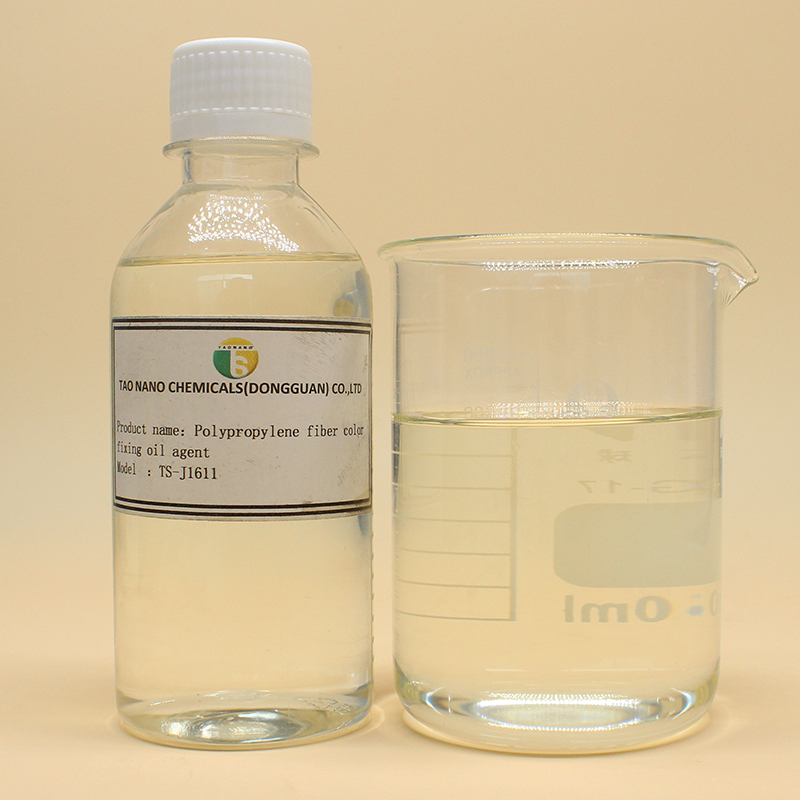
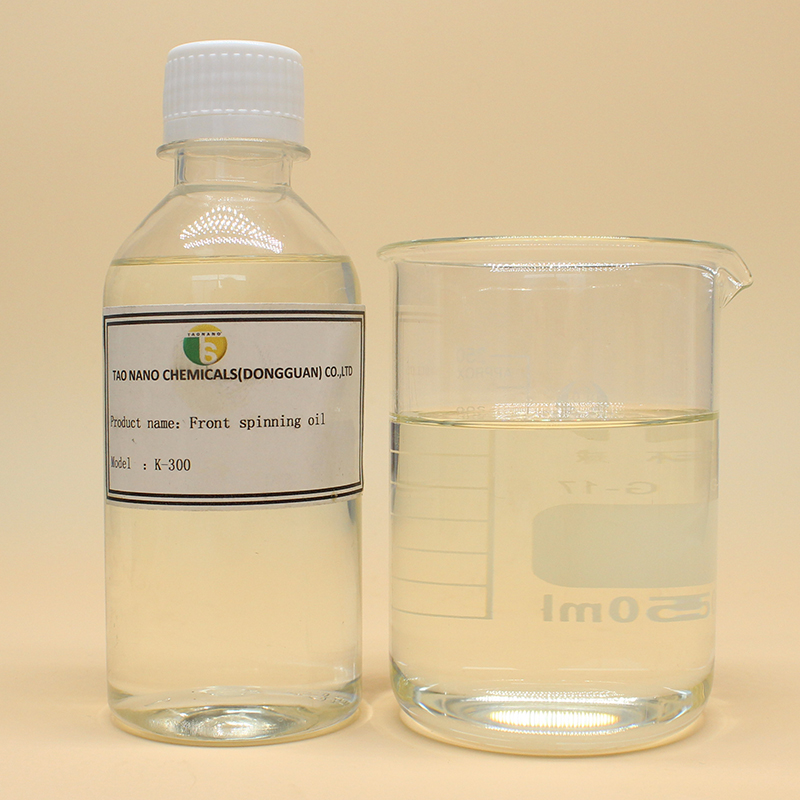
Tao Nano Chemicals (Dongguan) focuses on R&D and manufacturing of textile chemical oil agents. Supported by lab testing instruments and professional technical team, the company supplies polypropylene yarn spinning oil adapted for various pp spinning processes with even oiling and stable spinnability. Custom formula adjustment is available according to real‑world workshop conditions. Its products serve filament, staple fiber and BCF polypropylene production, assisting chemical fiber plants to cut down process failures and improve finished‑product yield.
- Polypropylene Yarn Spinning Oil: Key Auxiliary for Stable High‑speed PP Fiber Produc
- How Custom Textile Spin Finish Solutions Adapt to Diversified Fiber Manufacturing Needs
- Formulation Key Points and Spinning‑line Adaptation of Polypropylene Yarn Spinning O
- Selection Points and Spinning‑line Application of Heat Transfer Oil
- Practical Significance Of Compliance Control For Textile Auxiliaries In Export Orders
- Selection And On‑Machine Adaptation Points Of Antistatic Agent For Chemical‑fi