- Selection Points and Spinning‑line Application of Heat Transfer Oil
- Formulation Key Points and Spinning‑line Adaptation of Polypropylene Yarn Spinning Oil
- Practical Significance Of Compliance Control For Textile Auxiliaries In Export Orders
- Selection And On‑Machine Adaptation Points Of Antistatic Agent For Chemical‑fiber Processing
- Polypropylene Yarn Spinning Oil Adapts To Different Spinning‑Speed Working Conditions

- Contact: Miss Tang
- Telephone: 0086-18926870629
- Email: taonano@taonanooil.com
- Address:No. 59, Liantang Road, Sanzhong Village, Qingxi Town, Dongguan City, Guangdong Province
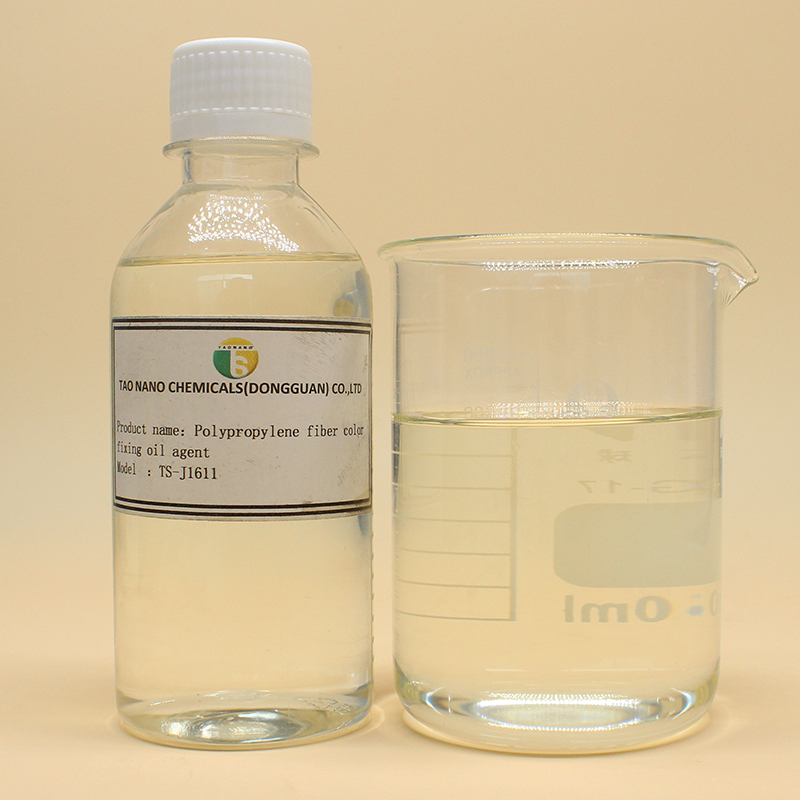
Polypropylene yarn spinning oil is an indispensable textile auxiliary for polypropylene filament production. It is compounded with multiple surfactants, lubricating components and antistatic agents. Coated on fiber surface, Polypropylene yarn spinning oil delivers lubrication, static elimination and improved yarn cohesion. It optimizes processing performance during drawing, heat‑setting and winding, lowering risks of yarn breakage, fuzzing and poor package formation for polypropylene FDY and BCF production lines of varied speeds.
Spinning equipment, processing speed and fiber denier set different requirements on thermal stability, emulsion compatibility and oil pick‑up uniformity of Polypropylene yarn spinning oil. For high‑speed spinning lines, polypropylene yarn spinning oil shall possess good heat resistance to reduce coking and smoking on hot rollers and prevent fiber yellowing. Medium‑low‑speed lines focus on antistatic performance and yarn unwinding property. Improper component matching may cause oil pick‑up fluctuation and emulsion delamination and disturb downstream weaving.
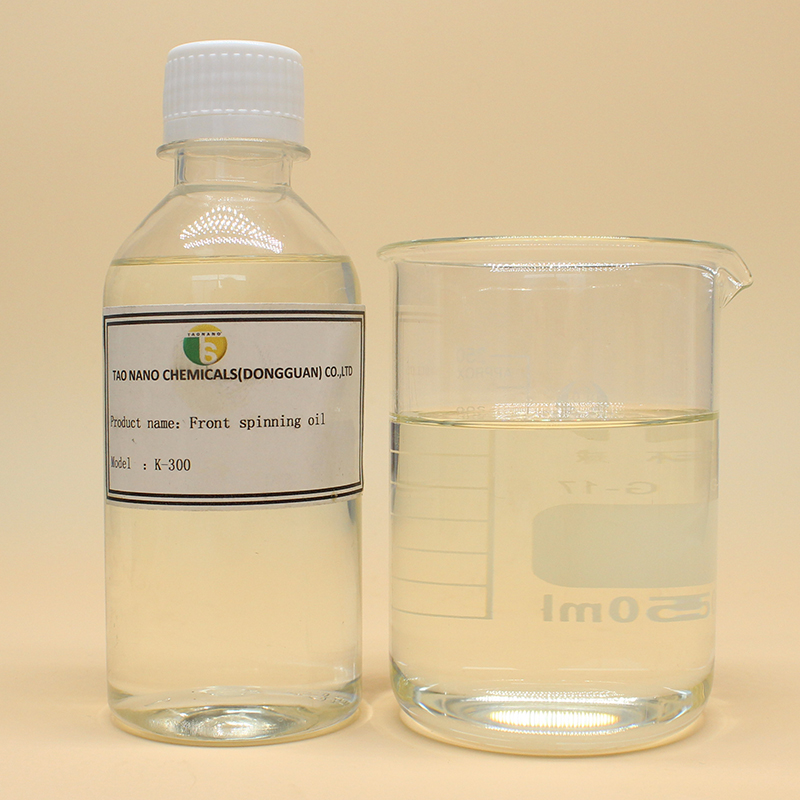
TAO NANO CHEMICALS(DONGGUAN) CO.,LTD. specializes in R&D and manufacturing of textile spinning auxiliaries. Supported by professional R&D team and complete testing instruments, it develops Polypropylene yarn spinning oil adapted for diverse production conditions, as well as supporting grades including PP BCF oil, PP pre‑spinning oil and polyester spinning oil. Formulas can be adjusted according to client spinning speed, machine structure and fiber specifications. Sample evaluation and mass‑volume delivery are available. Lab tests verify key performances such as heat resistance, antistatic property and emulsion stability.
Matching performance of Polypropylene yarn spinning oil influences production efficiency and finished‑yarn quality of chemical‑fiber plants. Besides basic physical‑chemical indexes, chemical‑fiber manufacturers shall carry out machine trial test for polypropylene yarn spinning oil. Serving domestic and overseas chemical‑fiber clients, TAO NANO supplies polypropylene yarn spinning oil and supporting textile‑auxiliary solutions based on real spinning‑line conditions.
- Selection Points and Spinning‑line Application of Heat Transfer Oil
- Formulation Key Points and Spinning‑line Adaptation of Polypropylene Yarn Spinning O
- Practical Significance Of Compliance Control For Textile Auxiliaries In Export Orders
- Selection And On‑Machine Adaptation Points Of Antistatic Agent For Chemical‑fi
- Polypropylene Yarn Spinning Oil Adapts To Different Spinning‑Speed Working Condition