- Practical Influence of Thermal Stability of Polypropylene Yarn Spinning Oil on Hot‑Drawing Process
- Causes of Oil Pick‑up Fluctuation of Polypropylene Yarn Spinning Oil and Production‑Line Control Solutions
- What Cascading Troubles Will Pre‑Coking Heat‑Transfer Oil Bring to Polypropylene Fiber Spinning Lines
- Which Indicators of Polypropylene Staple Fiber Oil Determine Roller‑Wrapping and Fiber Agglomeration in High‑Speed Carding Process
- Deterioration and Odor of Polypropylene Yarn Pre-spinning Oil Emulsion: Common Pitfalls in Storage and Dilution
- Large Variation of Pick-up Rate of PP Pre-spinning Oil: How to Control Oil Uniformity on Yarn

- Contact: Miss Tang
- Telephone: 0086-18926870629
- Email: taonano@taonanooil.com
- Address:No. 59, Liantang Road, Sanzhong Village, Qingxi Town, Dongguan City, Guangdong Province
Growing demands from geotextiles, automotive interior textiles and hygiene non‑wovens energize the polypropylene fiber market. Spinning enterprises evaluate textile auxiliaries from broader perspectives. Apart from runnability on spinning machines, production compliance and low residual content have become important purchasing considerations, driving shifts in the polypropylene yarn spinning oil sector.
Some traditional formulations carry high volatile content and struggle to satisfy modern clean‑production workshop standards. Polypropylene yarn spinning oil needs to deliver core functions including smoothness, static resistance and yarn cohesion. Meanwhile its emulsion stability should be maintained to reduce unwanted by‑products, and fit varied production scenarios for polypropylene filament and multi‑filament goods.
Different end‑products place different priorities on auxiliary performance. Geotextile producers focus on operational stability while hygiene non‑woven manufacturers pay attention to residual indicators. Generic polypropylene yarn spinning oil cannot satisfy all working scenarios, so many mills expect suppliers to provide sample testing and process tuning services.
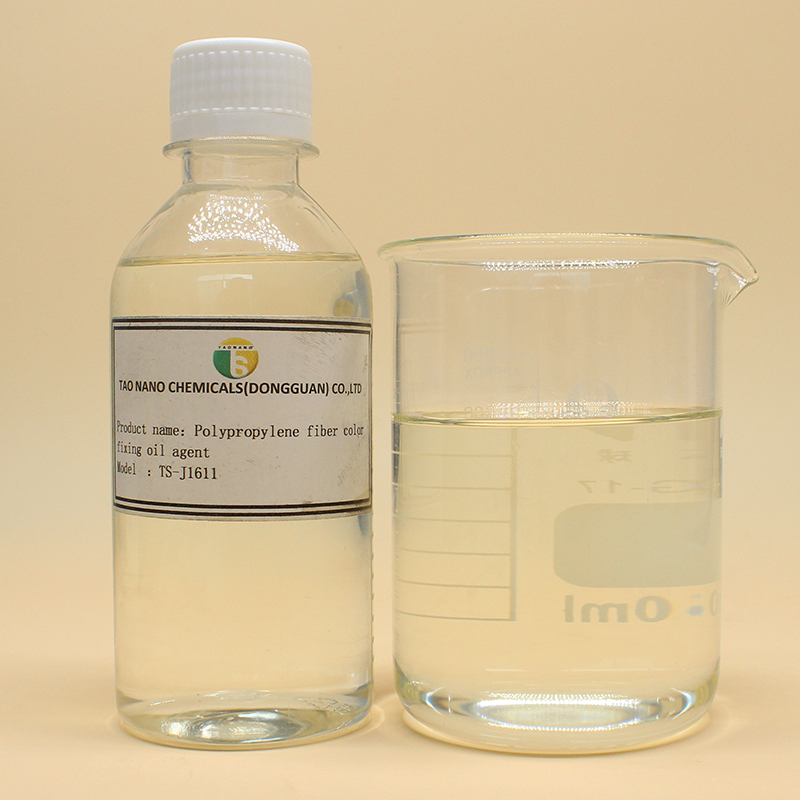
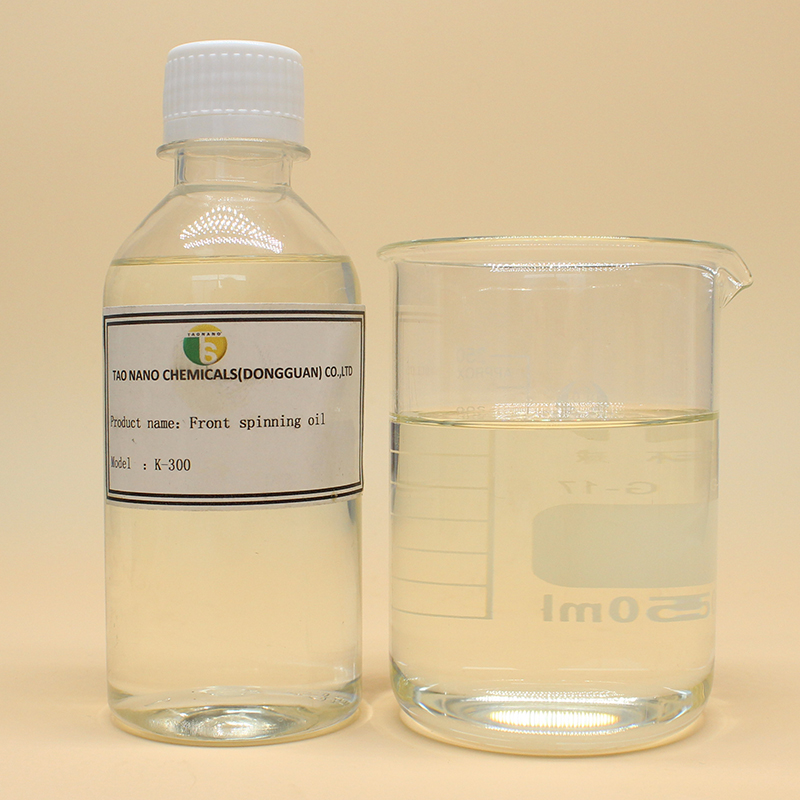
TAO NANO CHEMICALS (DONGGUAN) CO.,LTD leverages accumulated nano‑chemical compounding know‑how to supply polypropylene yarn spinning oil series. The firm provides sample evaluation services matching clients’ real‑world production parameters and supports auxiliary replacement and process adaptation.
Industry practice suggests spinning mills conduct machine‑based verification before bulk procurement of polypropylene yarn spinning oil. Comprehensive assessment of practical performance helps avoid process risks during mass‑volume manufacturing.
Website: http://www.taonanooil.comContact: Miss Tang, Tel: 0086‑18926870629, Email: taonano@taonanooil.com
- Practical Influence of Thermal Stability of Polypropylene Yarn Spinning Oil on Hot‑D
- Causes of Oil Pick‑up Fluctuation of Polypropylene Yarn Spinning Oil and Production&
- What Cascading Troubles Will Pre‑Coking Heat‑Transfer Oil Bring to Polypropyle
- Which Indicators of Polypropylene Staple Fiber Oil Determine Roller‑Wrapping and Fib
- Deterioration and Odor of Polypropylene Yarn Pre-spinning Oil Emulsion: Common Pitfalls in
- Large Variation of Pick-up Rate of PP Pre-spinning Oil: How to Control Oil Uniformity on Y