
- Large Variation of Pick-up Rate of PP Pre-spinning Oil: How to Control Oil Uniformity on Yarn
- Deterioration and Odor of Polypropylene Yarn Pre-spinning Oil Emulsion: Common Pitfalls in Storage and Dilution
- Fuzz and Break‑outs in High‑Speed Spinning with Polypropylene Pre‑Spinning Oil? Analysis of Pitfalls in Wetting Performance and Anti‑Coking Property
- How to Match Proper Spinning Oil for Geotextile and Hygiene‑Grade Polypropylene Staple Fiber
- Carding‑Roller Tangling Caused by Polypropylene Staple Fiber Oil? Analysis of Production Risks Brought by Thermal‑Stability & Emulsion Compatibility

- Contact: Miss Tang
- Telephone: 0086-18926870629
- Email: taonano@taonanooil.com
- Address:No. 59, Liantang Road, Sanzhong Village, Qingxi Town, Dongguan City, Guangdong Province
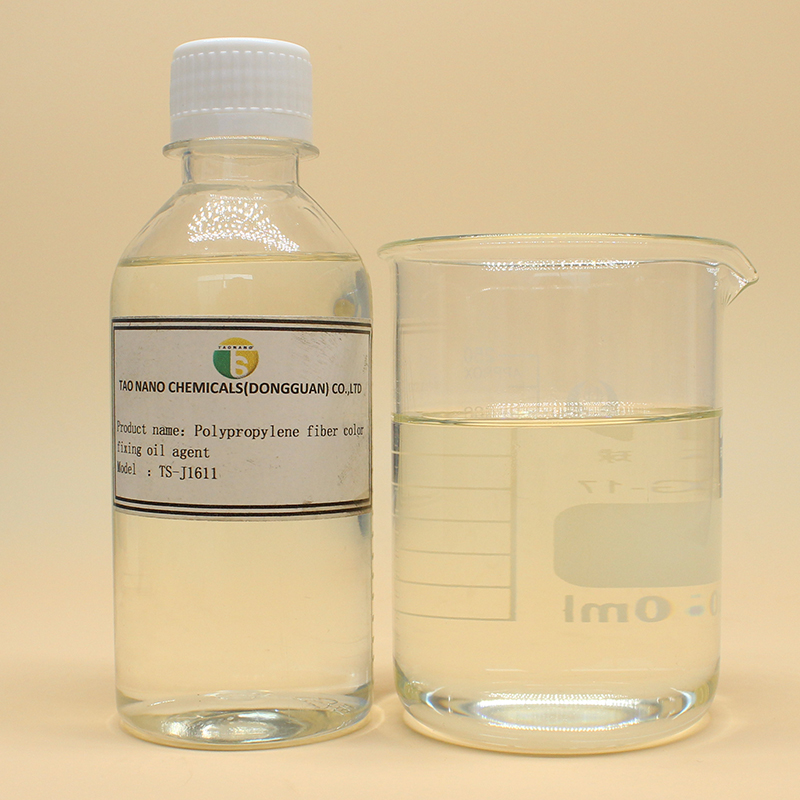
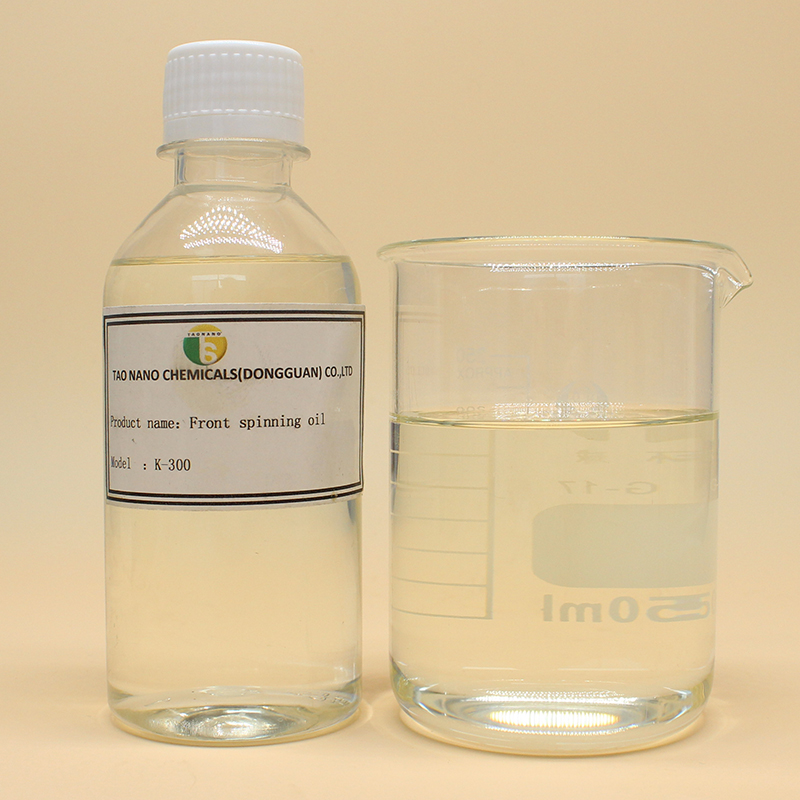
In the production of polypropylene yarn, Polypropylene yarn spinning oil plays a supporting role in ensuring smooth processing and consistent yarn quality. Also known as finishing oil or textile lubricant, this auxiliary agent is applied to fibers during the spinning and drawing stages to modify surface properties and facilitate subsequent mechanical handling.
Polypropylene yarn spinning oil typically consists of a blend of base oils, emulsifiers, antistatic agents, and lubricating components. The formulation is designed to address several practical requirements that arise when processing synthetic fibers at high speeds.
Lubrication is one of the primary functions of Polypropylene yarn spinning oil. As fibers pass through guides, rollers, and winding equipment, friction can cause surface damage or breakage. A uniform oil film reduces metal-to-fiber contact, allowing filaments to slide smoothly over machine parts. This contributes to fewer interruptions during spinning and drawing processes.
Static electricity accumulation is another concern when processing polypropylene fibers. Being a good electrical insulator, polypropylene tends to generate static charges during friction with equipment. These charges can cause filament spreading, ballooning, or clinging to machine parts, leading to processing difficulties. Spinning oils containing antistatic agents help dissipate static charges, keeping filaments cohesive and manageable.
Cohesion control is equally important in yarn formation. For multifilament yarns, some degree of inter-filament cohesion is needed to maintain strand integrity, while excessive sticking must be avoided to allow proper separation during subsequent texturing or weaving. Spinning oil formulations are adjusted to achieve this balance based on the yarn type and end-use.
The thermal stability of Polypropylene yarn spinning oil becomes relevant when yarn undergoes heat treatment. In processes such as draw texturing or heat setting, the oil should withstand elevated temperatures without smoking excessively or leaving carbon deposits on heaters. Low volatility and clean decomposition characteristics are desirable traits for high-temperature applications.
Emulsion stability matters for mills that apply oil via roller or spray systems. The oil should mix readily with water if dilution is required, and the emulsion should remain uniform during application to ensure consistent pickup across all filaments.
Different yarn applications call for variations in oil formulation. For carpet yarns processed at lower speeds, lubrication demands may differ from those for high-speed textile yarns. For yarns intended for weaving, oil should be removable with standard scouring agents without affecting subsequent dyeing or finishing. Some grades are designed to be left on the yarn for certain end-uses where removal is not required.
Storage and handling of polypropylene yarn spinning oil also deserve attention. The product should maintain stable properties under normal warehouse conditions without phase separation or degradation over time. Proper inventory rotation helps ensure consistent performance.
Selecting the right spinning oil involves matching the oil's properties with the specific yarn denier, processing speed, equipment type, and downstream requirements. Mills often conduct small-scale trials to verify that a particular oil delivers the expected benefits before full-scale adoption.
In summary, polypropylene yarn spinning oil serves multiple functions that collectively support efficient production and reliable yarn quality. By reducing friction, controlling static, and providing appropriate cohesion, these processing aids enable smoother operations across different stages of yarn manufacturing.
- Large Variation of Pick-up Rate of PP Pre-spinning Oil: How to Control Oil Uniformity on Y
- Deterioration and Odor of Polypropylene Yarn Pre-spinning Oil Emulsion: Common Pitfalls in
- Fuzz and Break‑outs in High‑Speed Spinning with Polypropylene Pre‑Spinni
- How to Match Proper Spinning Oil for Geotextile and Hygiene‑Grade Polypropylene Stap
- Carding‑Roller Tangling Caused by Polypropylene Staple Fiber Oil? Analysis of Produc