

- Large Variation of Pick-up Rate of PP Pre-spinning Oil: How to Control Oil Uniformity on Yarn
- Deterioration and Odor of Polypropylene Yarn Pre-spinning Oil Emulsion: Common Pitfalls in Storage and Dilution
- Fuzz and Break‑outs in High‑Speed Spinning with Polypropylene Pre‑Spinning Oil? Analysis of Pitfalls in Wetting Performance and Anti‑Coking Property
- How to Match Proper Spinning Oil for Geotextile and Hygiene‑Grade Polypropylene Staple Fiber
- Carding‑Roller Tangling Caused by Polypropylene Staple Fiber Oil? Analysis of Production Risks Brought by Thermal‑Stability & Emulsion Compatibility

- Contact: Miss Tang
- Telephone: 0086-18926870629
- Email: taonano@taonanooil.com
- Address:No. 59, Liantang Road, Sanzhong Village, Qingxi Town, Dongguan City, Guangdong Province
Polypropylene staple fiber is widely applied in geotextiles, hygiene non‑wovens and filter materials. End‑use scenarios set distinct requirements for polypropylene staple fiber oil. Many chemical‑fiber plants adopt universal‑grade oil for all staple‑fiber products, regardless of downstream working‑conditions, resulting in quality failures such as component precipitation, peculiar odor and filter‑hole blockage.
For geotextile‑grade polypropylene staple fiber, oil‑agent shall feature good anti‑precipitation, heat‑resistance and water‑scour‑resistance. Once oil components migrate and precipitate under buried service conditions, geotextile pore‑structure will be altered and drainage channels get blocked, impairing engineering drainage performance. Oil‑film adhesion strength becomes the priority. After heat‑setting and water‑scour treatment, oil shall not migrate off fibers in large quantity, while maintaining spinning lubrication and static‑elimination for mass‑production of needle‑punched geotextiles.
Hygiene‑medical‑grade polypropylene staple fiber sets stricter safety thresholds for spinning oil. Oil components shall deliver low‑odor and low‑migration performance without hazardous extractables, meanwhile guarantee opening and carding performance. Excessive oil residue or easy‑to‑migrate components hurt skin‑friendliness of hygiene non‑wovens and may cause unpleasant odor during post‑processing. Conventional industrial‑grade polypropylene oil cannot be directly reused for hygiene‑grade staple fiber.
For filter‑material‑grade polypropylene staple fiber, oil‑agent precipitation shall be strictly controlled to avoid filter‑hole clogging and efficiency decline.
A typical procurement pitfall is pursuing only static‑resistance and lubrication while ignoring end‑product attributes. Chemical‑fiber manufacturers shall inform oil‑agent suppliers of final fiber applications, and select formulas separately for geotextile, hygiene and filter scenarios instead of applying one single oil for all products.
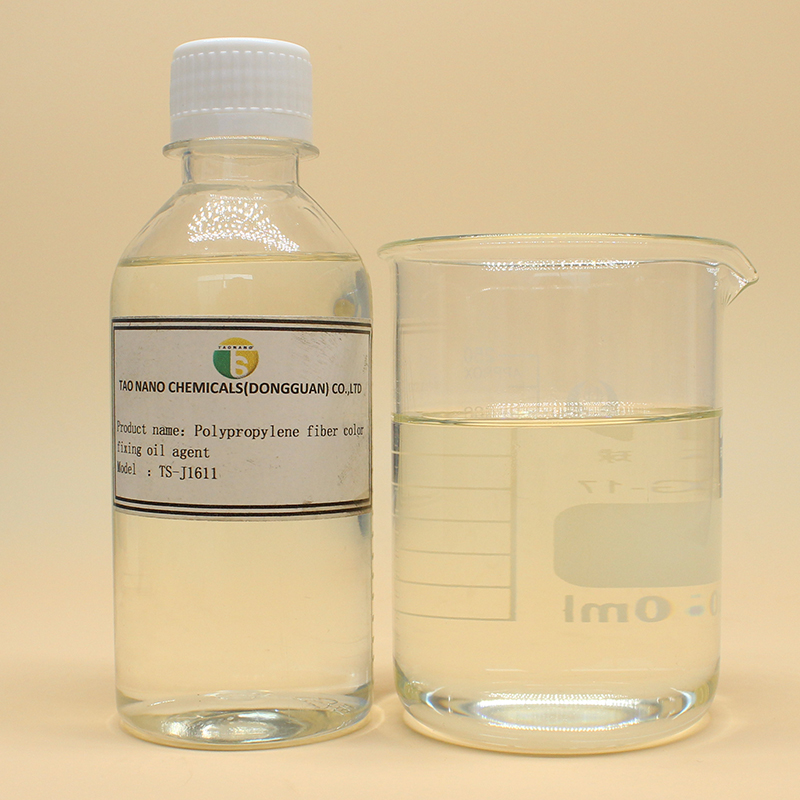
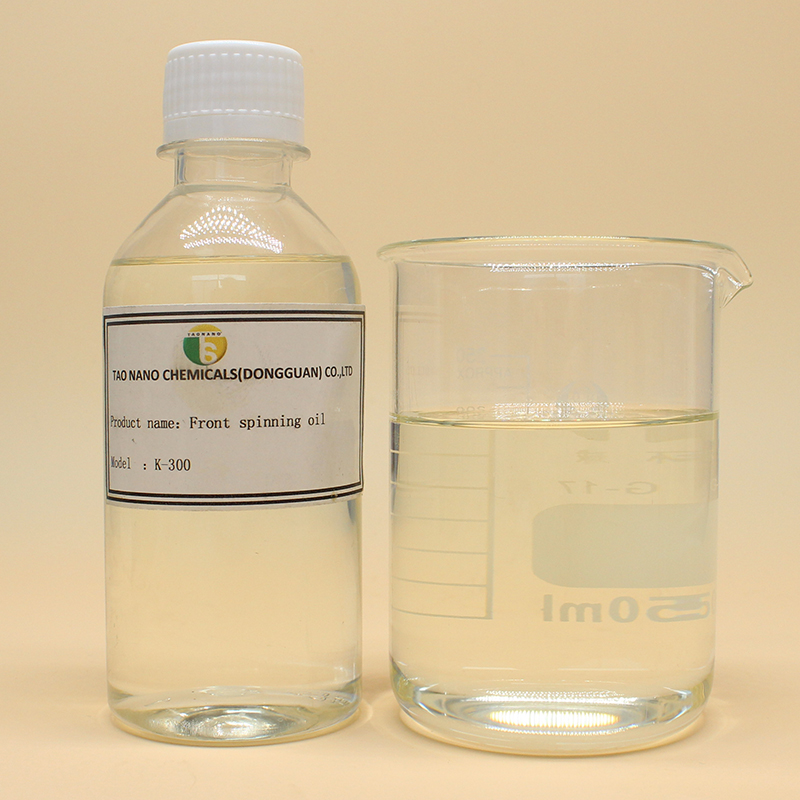
TAO NANO CHEMICALS(DONGGUAN) CO.,LTD. supplies scenario‑specific polypropylene staple fiber oil for geotextile, hygiene non‑woven and filter‑material applications. Drawing on years‑long textile‑auxiliary R&D experience, we customize oil‑agent formulas and carry out precipitation & thermal‑stability simulation tests according to customers’ end‑use requirements, helping chemical‑fiber factories balance spinning productivity and downstream product quality.
- Large Variation of Pick-up Rate of PP Pre-spinning Oil: How to Control Oil Uniformity on Y
- Deterioration and Odor of Polypropylene Yarn Pre-spinning Oil Emulsion: Common Pitfalls in
- Fuzz and Break‑outs in High‑Speed Spinning with Polypropylene Pre‑Spinni
- How to Match Proper Spinning Oil for Geotextile and Hygiene‑Grade Polypropylene Stap
- Carding‑Roller Tangling Caused by Polypropylene Staple Fiber Oil? Analysis of Produc