

- Large Variation of Pick-up Rate of PP Pre-spinning Oil: How to Control Oil Uniformity on Yarn
- Deterioration and Odor of Polypropylene Yarn Pre-spinning Oil Emulsion: Common Pitfalls in Storage and Dilution
- Fuzz and Break‑outs in High‑Speed Spinning with Polypropylene Pre‑Spinning Oil? Analysis of Pitfalls in Wetting Performance and Anti‑Coking Property
- How to Match Proper Spinning Oil for Geotextile and Hygiene‑Grade Polypropylene Staple Fiber
- Carding‑Roller Tangling Caused by Polypropylene Staple Fiber Oil? Analysis of Production Risks Brought by Thermal‑Stability & Emulsion Compatibility

- Contact: Miss Tang
- Telephone: 0086-18926870629
- Email: taonano@taonanooil.com
- Address:No. 59, Liantang Road, Sanzhong Village, Qingxi Town, Dongguan City, Guangdong Province
Driven by steady expansion of geotextile, hygiene material and carpet manufacturing sectors, polypropylene fiber production capacity keeps growing, which fuels stable market demand for polypropylene yarn spinning oil. As spinning production lines get upgraded, downstream factories pay attention not merely to basic lubrication and antistatic performance. More requirements are raised for thermal stability, emulsion stability and low coke residue, pushing technical iteration for polypropylene yarn spinning oil.
Different fiber specifications and spinning techniques set differentiated standards for polypropylene yarn spinning oil. Filament production focuses on cohesion and smoothness; staple‑fiber spinning requires good antistatic property and adaptability for subsequent carding process; high‑speed spinning lines demand better heat resistance. General‑grade products can hardly satisfy all production conditions.
Strict environmental‑protection regulations are implemented for textile chemical industry. Oil agents with low volatile components and regulatory compliance become important factors during procurement. The popularization of high‑speed spinning equipment also urges formula optimization for polypropylene yarn spinning oil to fit faster production rhythm.
The industry is moving away from homogenized competition. Many oil‑agent manufacturers improve lab testing capacity and strengthen formula tuning and sampling service to support both bulk orders and trial‑batch demands. Chemical suppliers cooperate with fiber mills to optimize oil‑agent schemes against actual equipment parameters and lower trial‑run losses. Scenario‑oriented customization will remain a notable development trend for the whole sector.
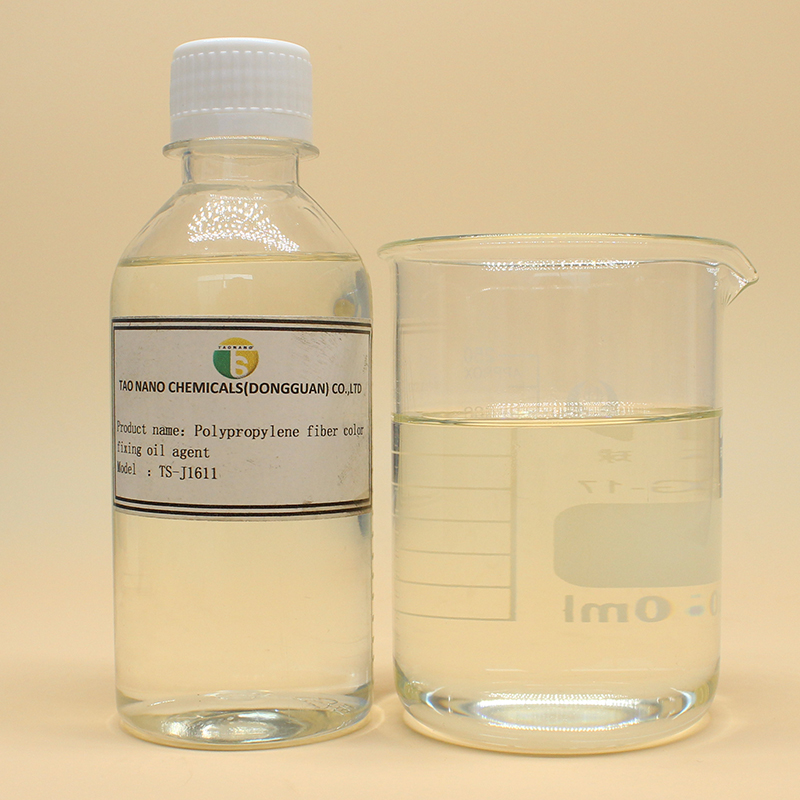
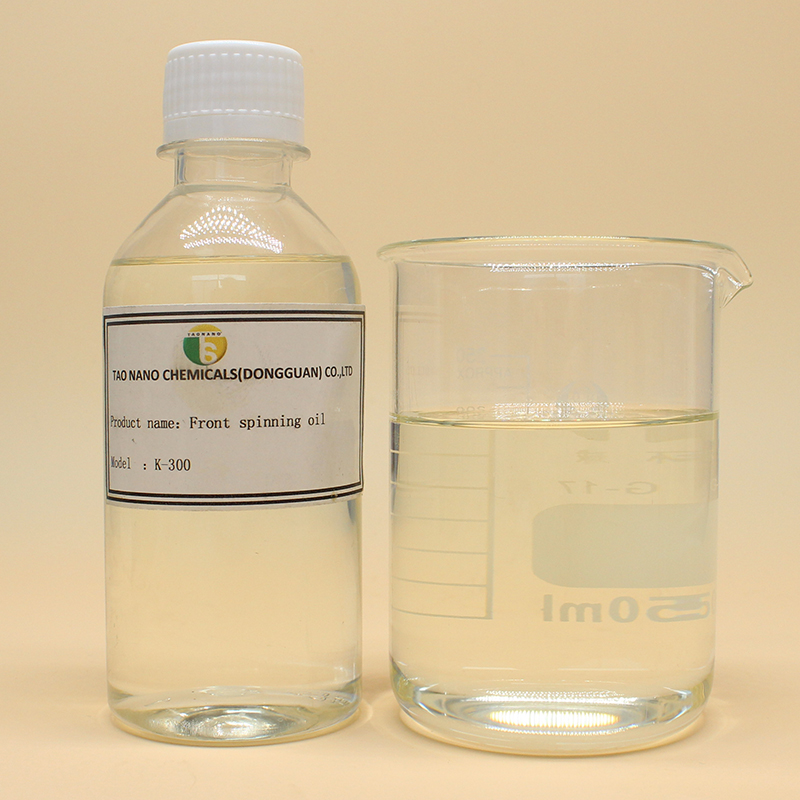
- Large Variation of Pick-up Rate of PP Pre-spinning Oil: How to Control Oil Uniformity on Y
- Deterioration and Odor of Polypropylene Yarn Pre-spinning Oil Emulsion: Common Pitfalls in
- Fuzz and Break‑outs in High‑Speed Spinning with Polypropylene Pre‑Spinni
- How to Match Proper Spinning Oil for Geotextile and Hygiene‑Grade Polypropylene Stap
- Carding‑Roller Tangling Caused by Polypropylene Staple Fiber Oil? Analysis of Produc