
- Practical Influence of Thermal Stability of Polypropylene Yarn Spinning Oil on Hot‑Drawing Process
- Causes of Oil Pick‑up Fluctuation of Polypropylene Yarn Spinning Oil and Production‑Line Control Solutions
- What Cascading Troubles Will Pre‑Coking Heat‑Transfer Oil Bring to Polypropylene Fiber Spinning Lines
- Which Indicators of Polypropylene Staple Fiber Oil Determine Roller‑Wrapping and Fiber Agglomeration in High‑Speed Carding Process
- Deterioration and Odor of Polypropylene Yarn Pre-spinning Oil Emulsion: Common Pitfalls in Storage and Dilution
- Large Variation of Pick-up Rate of PP Pre-spinning Oil: How to Control Oil Uniformity on Yarn

- Contact: Miss Tang
- Telephone: 0086-18926870629
- Email: taonano@taonanooil.com
- Address:No. 59, Liantang Road, Sanzhong Village, Qingxi Town, Dongguan City, Guangdong Province
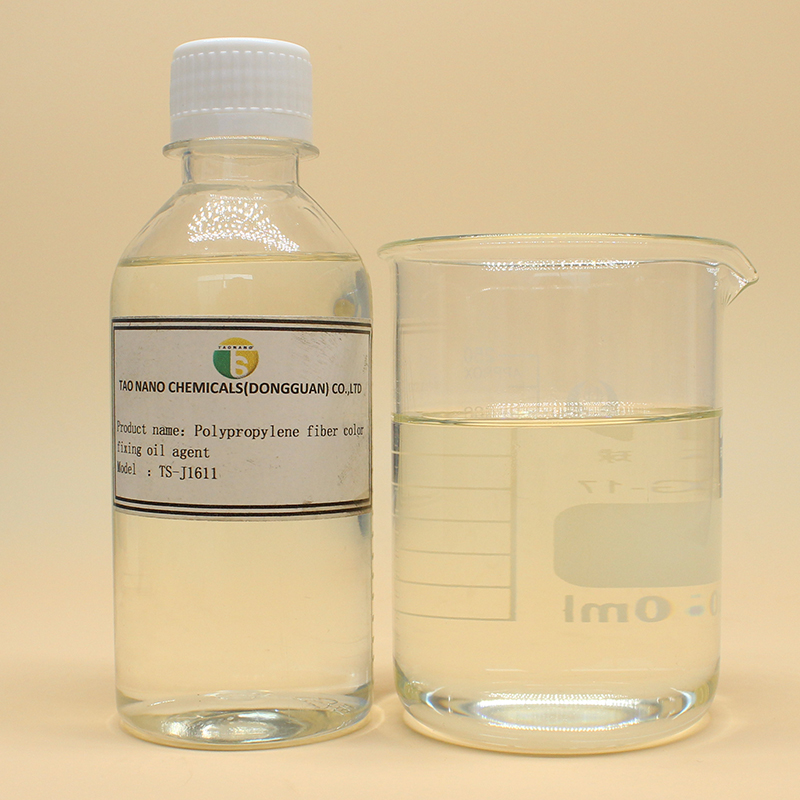
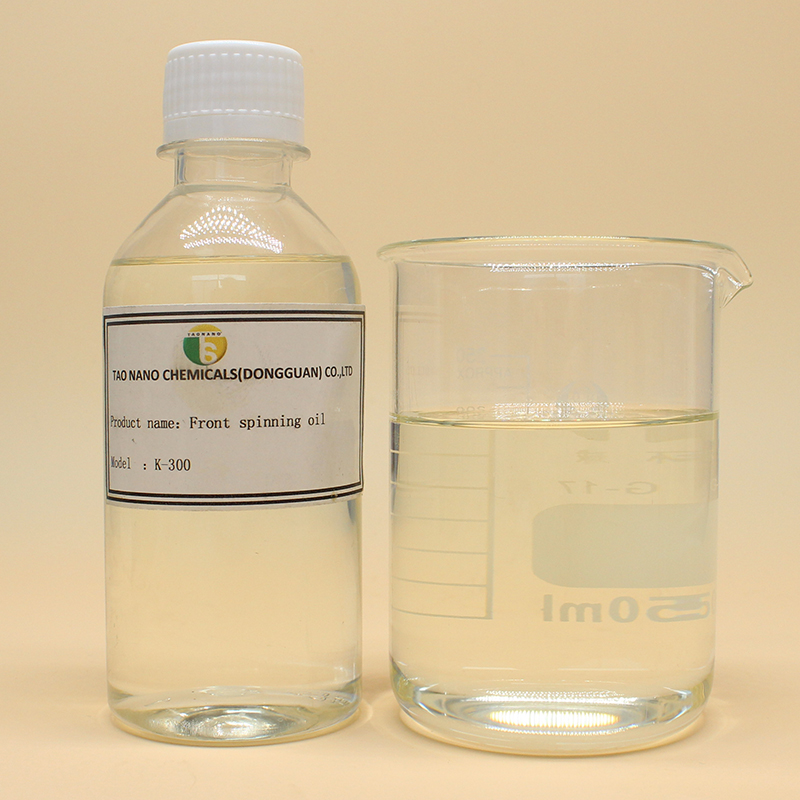
In the production of polypropylene filaments, the choice of finishing oil directly affects the smoothness of spinning and the quality of the final product. When looking for suitable Polypropylene yarn spinning oil, many spinning enterprises usually focus on the smoothness and cohesion of the oil. High-quality spinning oil can effectively reduce the friction between the fiber and the yarn guide, minimize broken ends and fuzz, and thus ensure the continuous and stable operation of the production line.
In addition to basic lubrication, the heat resistance and anti-volatility of Polypropylene yarn spinning oil are equally critical. In high-temperature spinning environments, stable oil agents are less likely to generate smoke or coke. This not only helps maintain a clean workshop environment but also reduces equipment cleaning frequency and lowers daily maintenance costs. Meanwhile, good emulsification properties make oil removal in subsequent processes easier, laying a solid foundation for dyeing or post-treatment.
For different spinning processes and product specifications, the formulation of Polypropylene yarn spinning oil must be adaptable. Whether for conventional or high-speed spinning, a matched oil agent can provide just the right adhesion, ensuring that the fiber structure is compact during winding and unwinding is smooth. This attention to process details reflects the practical value of chemical materials to textile production.
Regarding selection suggestions, it is recommended that enterprises comprehensively evaluate based on their spinning speed, workshop temperature and humidity, and the end-use of the product. When choosing Polypropylene yarn spinning oil, companies should focus on the supplier's R&D capabilities and after-sales support system. Verifying the actual performance through pilot tests ensures the selected product effectively solves production pain points and improves overall efficiency.
For more product information, please visit Dongguan Taona Nano Chemical Co., Ltd. (Official Website: http://www.cntaonano.com) or contact us directly. We will provide you with professional and efficient service support!
- Practical Influence of Thermal Stability of Polypropylene Yarn Spinning Oil on Hot‑D
- Causes of Oil Pick‑up Fluctuation of Polypropylene Yarn Spinning Oil and Production&
- What Cascading Troubles Will Pre‑Coking Heat‑Transfer Oil Bring to Polypropyle
- Which Indicators of Polypropylene Staple Fiber Oil Determine Roller‑Wrapping and Fib
- Deterioration and Odor of Polypropylene Yarn Pre-spinning Oil Emulsion: Common Pitfalls in
- Large Variation of Pick-up Rate of PP Pre-spinning Oil: How to Control Oil Uniformity on Y