
- Which Indicators of Polypropylene Staple Fiber Oil Determine Roller‑Wrapping and Fiber Agglomeration in High‑Speed Carding Process
- What Cascading Troubles Will Pre‑Coking Heat‑Transfer Oil Bring to Polypropylene Fiber Spinning Lines
- Deterioration and Odor of Polypropylene Yarn Pre-spinning Oil Emulsion: Common Pitfalls in Storage and Dilution
- Large Variation of Pick-up Rate of PP Pre-spinning Oil: How to Control Oil Uniformity on Yarn
- Fuzz and Break‑outs in High‑Speed Spinning with Polypropylene Pre‑Spinning Oil? Analysis of Pitfalls in Wetting Performance and Anti‑Coking Property

- Contact: Miss Tang
- Telephone: 0086-18926870629
- Email: taonano@taonanooil.com
- Address:No. 59, Liantang Road, Sanzhong Village, Qingxi Town, Dongguan City, Guangdong Province
1. Start from the basic performance and ensure the first step is correct
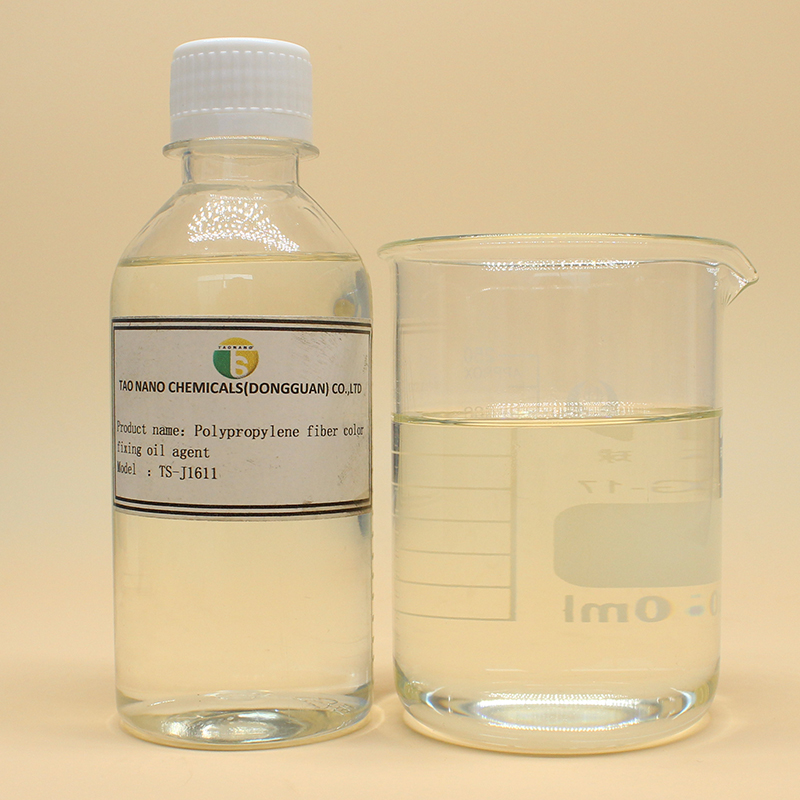
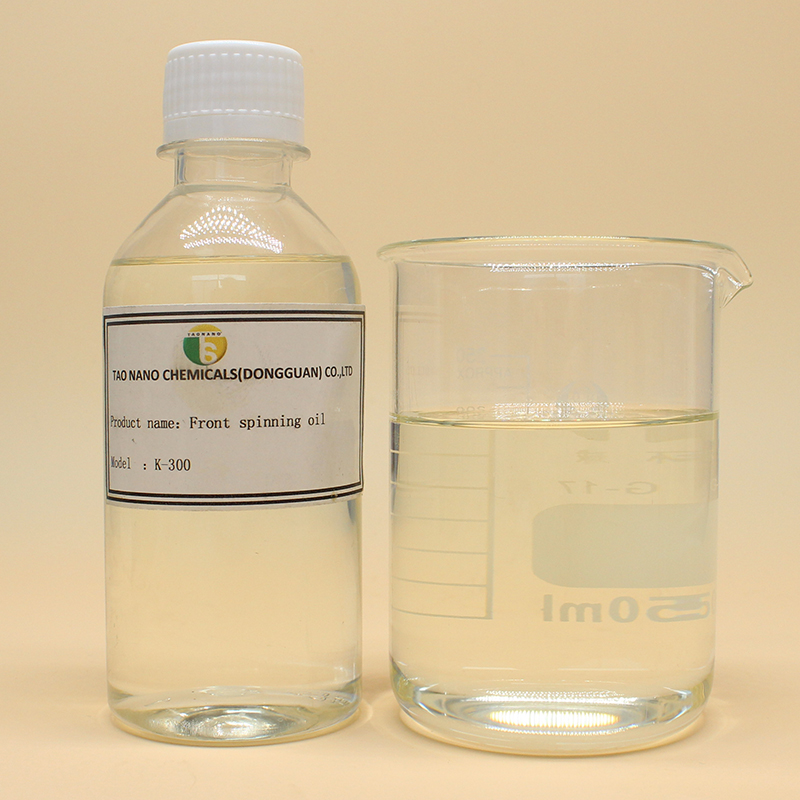
The Polypropylene yarn spinning oil is a special additive used in the spinning process of polypropylene fibers. Its main function is to regulate the friction performance of the fibers, prevent the accumulation of static electricity, and give the fibers smooth, bundled, and anti-static properties, allowing the fibers to smoothly pass through spinning, stretching and other processes. When purchasing the Polypropylene yarn spinning oil, the following three basic performances should be the primary focus: anti-static property is the bottom line, directly related to whether high-speed spinning can be continuous and stable; smooth lubrication affects the spinning tension and equipment wear; the bundling and cohesion properties determine the quality of the tube formation and the smoothness of the subsequent rewinding. These three performances need to be balanced and taken into consideration without neglecting any one. In addition, high-quality pre-spinning oil should be stable in emulsification, evenly applied, have stable extensibility, and be suitable for processing fibers of various specifications.
II. Achieve precise matching based on process requirements
Different spinning speeds and fiber specifications have different focuses on the requirements for Polypropylene yarn spinning oil. High-speed spinning has higher requirements for the heat resistance and volatility of the oil agent, while producing fine denier fibers requires an oil agent with a more uniform film and better permeability to prevent inter-fiber adhesion. When selecting the oil agent, it is recommended to fully communicate your process parameters with professional suppliers. If possible, conduct a small-scale trial run first to evaluate the actual effect of the polypropylene pre-spinning oil and focus on the breakage rate during spinning, fiber uniformity, and the adaptability for subsequent processing. Choosing the right oil agent can yield twice the result with half the effort; choosing the wrong one may cause continuous production problems.
Summary and Selection Suggestions
When purchasing Polypropylene yarn spinning oil, it is more cost-effective to spend time clarifying the purpose and process requirements in the early stage rather than trying to remedy the situation later. It is recommended to first determine the type of fiber and processing method, and then choose a supplier with stable R&D capabilities and strict quality control for cooperation. Through small-scale or pilot-scale tests to verify the effect, ensure that the pre-spun oil for polypropylene truly contributes to smooth production.
If you want to learn more about the products, please visit TAO NANO CHEMICALS(DONGGUAN) CO.,LTD. (website: www.taonanooil.com ) or contact the company directly for inquiries. We will provide you with professional and efficient service support!
- Which Indicators of Polypropylene Staple Fiber Oil Determine Roller‑Wrapping and Fib
- What Cascading Troubles Will Pre‑Coking Heat‑Transfer Oil Bring to Polypropyle
- Deterioration and Odor of Polypropylene Yarn Pre-spinning Oil Emulsion: Common Pitfalls in
- Large Variation of Pick-up Rate of PP Pre-spinning Oil: How to Control Oil Uniformity on Y
- Fuzz and Break‑outs in High‑Speed Spinning with Polypropylene Pre‑Spinni