

- Practical Influence of Thermal Stability of Polypropylene Yarn Spinning Oil on Hot‑Drawing Process
- Causes of Oil Pick‑up Fluctuation of Polypropylene Yarn Spinning Oil and Production‑Line Control Solutions
- What Cascading Troubles Will Pre‑Coking Heat‑Transfer Oil Bring to Polypropylene Fiber Spinning Lines
- Which Indicators of Polypropylene Staple Fiber Oil Determine Roller‑Wrapping and Fiber Agglomeration in High‑Speed Carding Process
- Deterioration and Odor of Polypropylene Yarn Pre-spinning Oil Emulsion: Common Pitfalls in Storage and Dilution
- Large Variation of Pick-up Rate of PP Pre-spinning Oil: How to Control Oil Uniformity on Yarn

- Contact: Miss Tang
- Telephone: 0086-18926870629
- Email: taonano@taonanooil.com
- Address:No. 59, Liantang Road, Sanzhong Village, Qingxi Town, Dongguan City, Guangdong Province
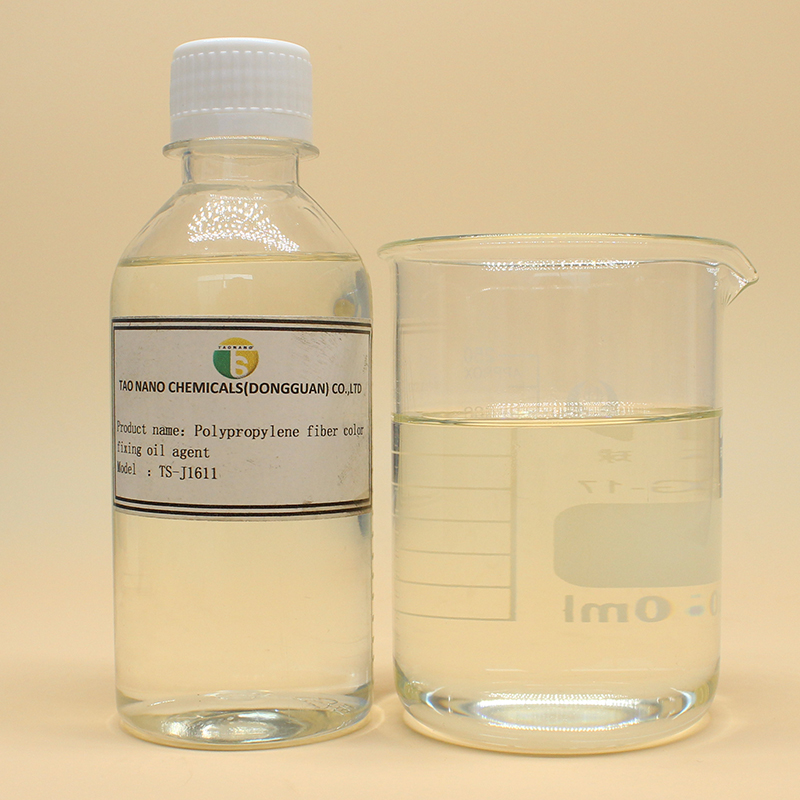
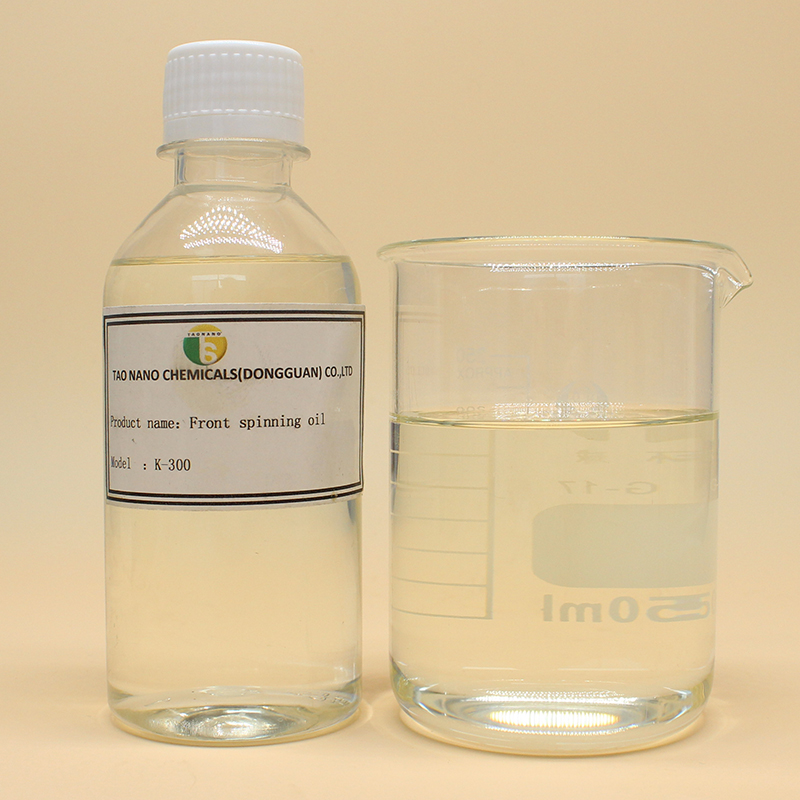
In synthetic fiber manufacturing, polypropylene yarn spinning oil plays a vital role in the production process, directly influencing spinning efficiency and the quality of the final fiber products. As an essential auxiliary agent in polypropylene fiber production, this oil contributes significantly during the initial fiber formation stage.
Polypropylene yarn spinning oil is typically formulated from components including lubricants, antistatic agents, and emulsifiers. During the polypropylene yarn spinning process, the oil uniformly coats the surface of nascent fibers, forming a protective film. This coating effectively adjusts the friction coefficient between fibers and mechanical components, maintains appropriate fiber cohesion, and notably enhances fiber bundling. Practical applications show that polypropylene fibers treated with suitable spinning oil demonstrate improved processability in subsequent texturing and weaving processes.
Selecting the appropriate polypropylene yarn spinning oil requires considering multiple factors. Spinning speed directly influences the choice of oil formulation, as high-speed spinning demands lower viscosity oil systems. Variations in ambient temperature and humidity necessitate oils with stable performance under different conditions. Different specifications of polypropylene fibers, such as fine-denier filaments and industrial yarns, have distinct requirements for oil wettability and heat resistance. Precise control of oil concentration is also critical; insufficient concentration may lead to increased fiber fuzz, while excessive concentration can cause equipment contamination.
Production experience indicates that high-quality polypropylene yarn spinning oil should exhibit good thermal stability, with minimal volatility or decomposition at spinning temperatures. The volatility index of the oil directly affects production conditions and operational costs. With increasing environmental requirements, modern polypropylene spinning oils are evolving toward enhanced biodegradability while maintaining optimal performance.
Regular monitoring of oil application effectiveness is essential for ensuring consistent production quality. Observing fiber condition, testing friction coefficients, and analyzing production data enable timely adjustments to oil usage strategies. Professional oil suppliers can typically offer tailored solutions based on specific customer operating conditions, assisting manufacturers in optimizing their polypropylene yarn spinning processes.
The scientific application of polypropylene yarn spinning oil represents a crucial aspect of improving polypropylene fiber quality. A thorough understanding of oil characteristics and proper selection according to actual production conditions can contribute to more stable spinning operations and superior product outcomes.
- Practical Influence of Thermal Stability of Polypropylene Yarn Spinning Oil on Hot‑D
- Causes of Oil Pick‑up Fluctuation of Polypropylene Yarn Spinning Oil and Production&
- What Cascading Troubles Will Pre‑Coking Heat‑Transfer Oil Bring to Polypropyle
- Which Indicators of Polypropylene Staple Fiber Oil Determine Roller‑Wrapping and Fib
- Deterioration and Odor of Polypropylene Yarn Pre-spinning Oil Emulsion: Common Pitfalls in
- Large Variation of Pick-up Rate of PP Pre-spinning Oil: How to Control Oil Uniformity on Y