

- Which Indicators of Polypropylene Staple Fiber Oil Determine Roller‑Wrapping and Fiber Agglomeration in High‑Speed Carding Process
- What Cascading Troubles Will Pre‑Coking Heat‑Transfer Oil Bring to Polypropylene Fiber Spinning Lines
- Deterioration and Odor of Polypropylene Yarn Pre-spinning Oil Emulsion: Common Pitfalls in Storage and Dilution
- Large Variation of Pick-up Rate of PP Pre-spinning Oil: How to Control Oil Uniformity on Yarn
- Fuzz and Break‑outs in High‑Speed Spinning with Polypropylene Pre‑Spinning Oil? Analysis of Pitfalls in Wetting Performance and Anti‑Coking Property

- Contact: Miss Tang
- Telephone: 0086-18926870629
- Email: taonano@taonanooil.com
- Address:No. 59, Liantang Road, Sanzhong Village, Qingxi Town, Dongguan City, Guangdong Province
Since 2025, affected by multiple factors such as equivalent tariffs and the global economic downturn, China's textile industry has experienced a complex situation of pressure on foreign trade and intensified competition in domestic trade. Just as industry practitioners are focusing on the development direction for 2026, the Political Bureau of the Central Committee has clearly sent out a key signal - to continue implementing a more proactive fiscal policy. This policy tone has injected strong impetus into the growth of domestic trade in the textile industry and also filled the entire industry with expectations for the development in the New Year. Facing the huge potential of the domestic trade market and the structural challenges at the export end, the textile industry is now at a critical juncture of "stabilizing domestic demand, strengthening resilience, and breaking through internal competition".
Foreign trade exports are moving forward under pressure, with both resilience and challenges coexisting
According to statistics from the General Administration of Customs, from January to November 2025, China's cumulative textile and apparel exports reached 267.8 billion US dollars, a year-on-year decrease of 1.9%, and the overall export performance fell short of expectations. Among them, the export of textiles and garments showed a differentiated trend: The export value of textiles was 130.01 billion US dollars, increasing by 0.9% year-on-year, maintaining a stable growth trend and demonstrating strong industry resilience. The export value of clothing was 137.79 billion US dollars, a year-on-year decrease of 4.4%, with the decline rate expanding compared to before, becoming the main factor dragging down the growth of exports.
In terms of RMB, the total export value of textiles and garments from January to November was 1.9 trillion yuan, a year-on-year decrease of 1.2%. To break it down, the export of textiles reached 931.33 billion yuan, increasing by 1.7% year-on-year. Clothing exports reached 987.26 billion yuan, a year-on-year decrease of 3.7%. It is worth noting that the export data for November alone showed positive changes. The export value of textiles and garments in that month was 23.87 billion US dollars, although it decreased by 5.1% year-on-year, it showed a recovery trend month-on-month. Among them, textile exports reached 12.28 billion US dollars, still achieving a year-on-year growth of 1% despite a high base. Clothing exports reached 11.59 billion US dollars, a year-on-year decrease of 10.9%, but the decline narrowed by 5 percentage points compared with October, indicating signs of recovery after the industry's adjustment.
The main factors supporting the resilience of exports come from two aspects: First, the China-Us economic and trade consultations have made phased progress, easing the direct pressure brought by trade frictions; Second, overseas markets have entered a seasonal replenishment cycle, which has increased the short-term demand for China's textile and garment products. However, in the medium and long term, the structural risks of global inflation have not yet subsided. Uncertainties such as geopolitical conflicts, the rise of trade protectionism, and non-tariff barriers will continue to disrupt the stability of the global supply chain. Textile export enterprises still need to be vigilant about downside risks.
Fiscal policies have been continuously strengthened, and domestic trade has become the core of growth
On December 8th, the Political Bureau of the Central Committee of the Communist Party of China held a meeting to analyze and study the economic work for 2026, clearly stating that "a more proactive fiscal policy will continue to be implemented", which is consistent with the policy tone for 2025 and provides solid policy support for the domestic trade development of the textile industry.
Looking back at 2025, as the year when the central government first explicitly implemented a "more proactive" fiscal policy, the policy intensity was unprecedented: The fiscal deficit ratio rose sharply from 3% in 2024 to a historical high of 4%. At the same time, the issuance scale of special Treasury bonds and local government special bonds was expanded. The total amount of new government debt for the whole year was nearly 12 trillion yuan, an increase of nearly 3 trillion yuan compared with 2024. Strong policy input has directly driven the expansion of fiscal expenditure scale. Data from the Ministry of Finance shows that in the first ten months of 2025, the national general public budget expenditure was approximately 22.6 trillion yuan, an increase of 2% year-on-year. The national government-managed fund budget expenditure was approximately 8.1 trillion yuan, increasing by 15.4% year-on-year, effectively promoting the stable operation of the domestic economy.
The so-called proactive fiscal policy, also known as expansionary fiscal policy, focuses on stimulating total social demand and promoting economic recovery and growth when economic growth is sluggish through measures such as increasing government spending, expanding the fiscal deficit, issuing government bonds, and raising transfer payments. Since the international financial crisis in 2008, China has consistently adhered to a proactive fiscal policy orientation. The expression "more proactive" implies a further increase in policy intensity, which will directly boost the vitality of the domestic consumer market and create favorable conditions for the growth of domestic trade in the textile industry.
For the textile industry, the significance of the domestic trade market will reach an unprecedented height in 2025. Due to the restrictions on foreign trade, a large number of textile enterprises have turned their attention to the domestic market. However, there is still huge potential for demand exploration in China's domestic trade market. The continuous implementation of proactive fiscal policies will further unleash the potential of domestic textile consumption through multiple paths such as stimulating consumption, stabilizing employment, and supporting the real economy, providing a guarantee for the growth of enterprise orders.
Declaration: The content of this article is compiled from the Internet and the copyright belongs to the original author. If there is any infringement, please inform us in time and contact us for deletion.
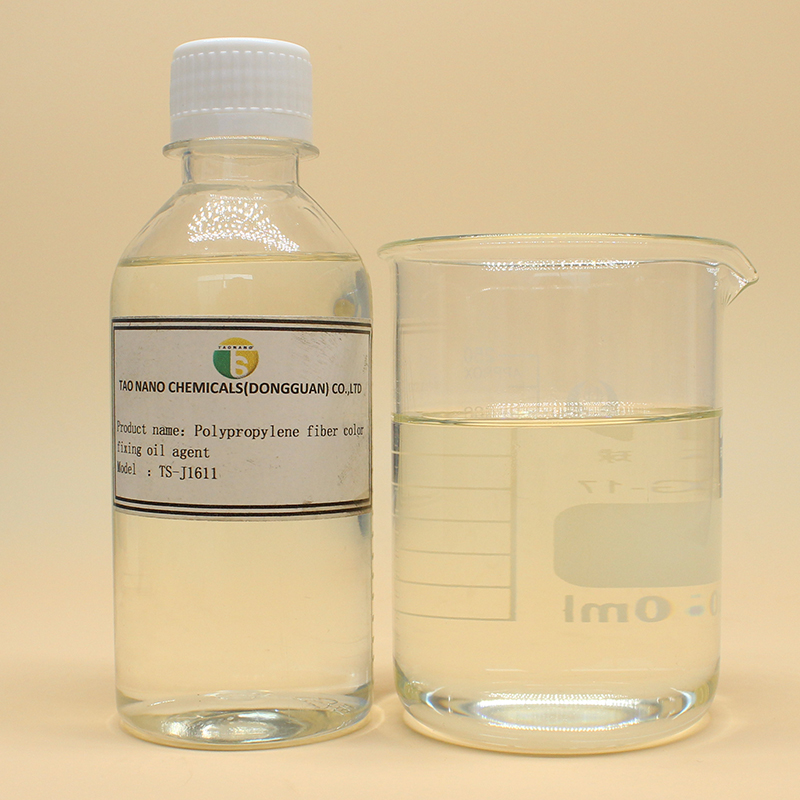
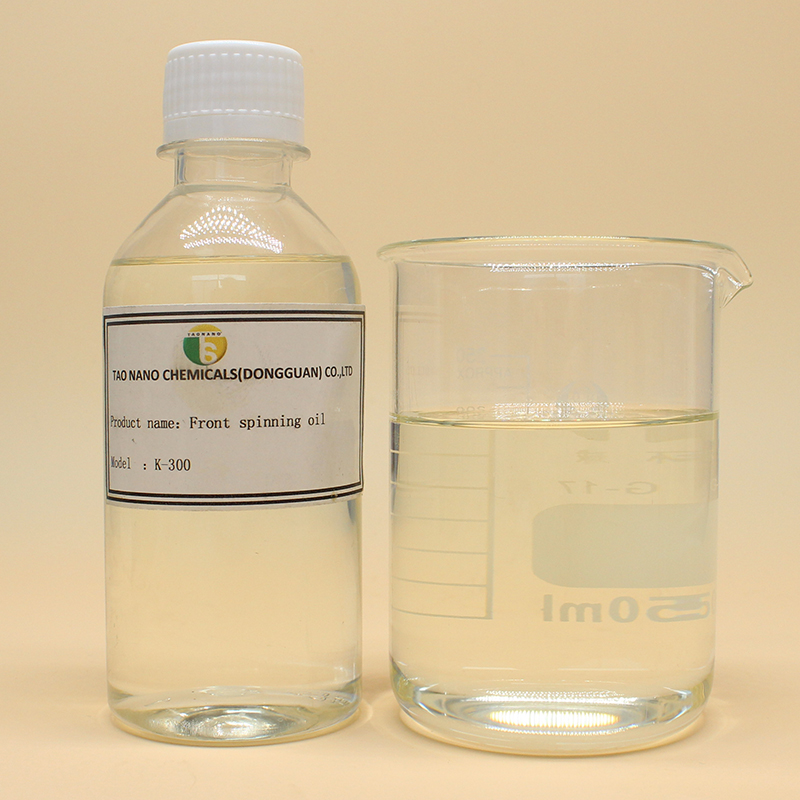
- Which Indicators of Polypropylene Staple Fiber Oil Determine Roller‑Wrapping and Fib
- What Cascading Troubles Will Pre‑Coking Heat‑Transfer Oil Bring to Polypropyle
- Deterioration and Odor of Polypropylene Yarn Pre-spinning Oil Emulsion: Common Pitfalls in
- Large Variation of Pick-up Rate of PP Pre-spinning Oil: How to Control Oil Uniformity on Y
- Fuzz and Break‑outs in High‑Speed Spinning with Polypropylene Pre‑Spinni