

- Which Indicators of Polypropylene Staple Fiber Oil Determine Roller‑Wrapping and Fiber Agglomeration in High‑Speed Carding Process
- What Cascading Troubles Will Pre‑Coking Heat‑Transfer Oil Bring to Polypropylene Fiber Spinning Lines
- Deterioration and Odor of Polypropylene Yarn Pre-spinning Oil Emulsion: Common Pitfalls in Storage and Dilution
- Large Variation of Pick-up Rate of PP Pre-spinning Oil: How to Control Oil Uniformity on Yarn
- Fuzz and Break‑outs in High‑Speed Spinning with Polypropylene Pre‑Spinning Oil? Analysis of Pitfalls in Wetting Performance and Anti‑Coking Property

- Contact: Miss Tang
- Telephone: 0086-18926870629
- Email: taonano@taonanooil.com
- Address:No. 59, Liantang Road, Sanzhong Village, Qingxi Town, Dongguan City, Guangdong Province
On October 14 local time, a nationwide strike in Belgium caused a shake-up in the European logistics system. The three major ports including Antwerp and Brussels Airport were completely shut down, casting a shadow over the cross-border textile trade that was preparing for Black Friday.
As a core hub of the European supply chain, the strike in Belgium this time has completely blocked the textile freight channels. All outbound flights at Brussels Airport have been cancelled, causing a disruption in air transport for time-sensitive orders such as fast fashion restocking and custom fabrics. More than 60 ships are stranded at the Port of Antwerp. The loading and unloading of raw materials such as chemical fibers and cotton yarn, as well as ready-made garments, have come to a standstill. As of the 16th, 129 ships are waiting to enter or leave the port. What is more serious is that the disruption of truck transportation and railway freight trains has led to raw materials being unable to enter the factory and finished products being difficult to leave the port, creating a situation where both ends are blocked.
It is the critical period for stocking up for Christmas, and textile enterprises have suffered particularly heavy losses. The inventory of home textiles, festival clothing and other items needs to be in place by November. Delayed goods may miss the sales peak in December. Meanwhile, the port detention fee has risen to 150 US dollars per day, and the additional daily cost of bulk textiles is several hundred dollars. The cash flow of small and medium-sized sellers is under severe pressure.
Logistics experts suggest that enterprises take urgent measures: prioritize tracking the logistics status of core product categories, switch to the China-Europe Railway Express for supplementary transportation of high-value-added textiles, and proactively communicate with customers to reduce complaints. This incident has exposed the vulnerability of logistics in Europe and also served as a wake-up call for textile enterprises - during peak season inventory preparation, it is necessary to establish a diversified logistics plan in order to withstand sudden risks.
Declaration: The content of this article is compiled from the Internet and the copyright belongs to the original author. If there is any infringement, please inform us in time and contact us for deletion.

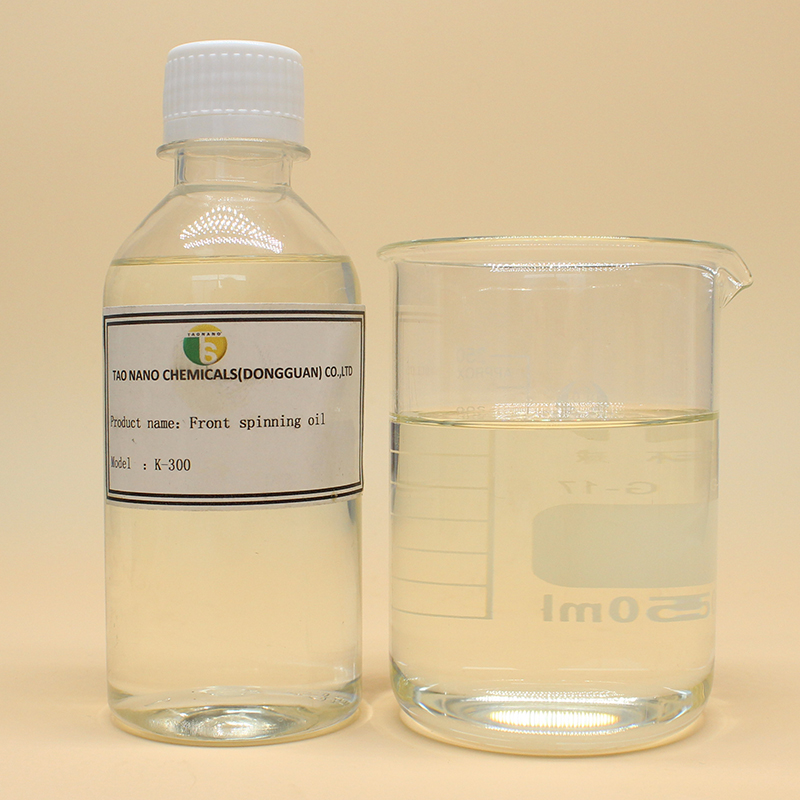
- Which Indicators of Polypropylene Staple Fiber Oil Determine Roller‑Wrapping and Fib
- What Cascading Troubles Will Pre‑Coking Heat‑Transfer Oil Bring to Polypropyle
- Deterioration and Odor of Polypropylene Yarn Pre-spinning Oil Emulsion: Common Pitfalls in
- Large Variation of Pick-up Rate of PP Pre-spinning Oil: How to Control Oil Uniformity on Y
- Fuzz and Break‑outs in High‑Speed Spinning with Polypropylene Pre‑Spinni