
- Which Indicators of Polypropylene Staple Fiber Oil Determine Roller‑Wrapping and Fiber Agglomeration in High‑Speed Carding Process
- What Cascading Troubles Will Pre‑Coking Heat‑Transfer Oil Bring to Polypropylene Fiber Spinning Lines
- Deterioration and Odor of Polypropylene Yarn Pre-spinning Oil Emulsion: Common Pitfalls in Storage and Dilution
- Large Variation of Pick-up Rate of PP Pre-spinning Oil: How to Control Oil Uniformity on Yarn
- Fuzz and Break‑outs in High‑Speed Spinning with Polypropylene Pre‑Spinning Oil? Analysis of Pitfalls in Wetting Performance and Anti‑Coking Property

- Contact: Miss Tang
- Telephone: 0086-18926870629
- Email: taonano@taonanooil.com
- Address:No. 59, Liantang Road, Sanzhong Village, Qingxi Town, Dongguan City, Guangdong Province
Crude oil and polyester raw materials fell
Since 2024, the international crude oil market has experienced many fluctuations. Factors such as geopolitical conflicts, OPEC+ 's production reduction policy and uncertainty about the global economic recovery have combined to cause crude oil prices to remain in a tight range for some time. However, recently, with the gradual withdrawal of OPEC countries from production cuts and the decline in downstream demand, oil prices have shown a downward trend of shock. This change has directly affected the downstream PTA and polyester filament markets.
As the main raw material of polyester filament, the price of PTA is highly correlated with the price of crude oil. Along with the decline in crude oil prices, PTA prices have also declined significantly. At the same time, the polyester filament market has not been spared, and the price has also fallen. According to market data, PTA and polyester filament prices have fallen sharply in the near future, which directly affects the production costs and profit margins of chemical fiber enterprises.
Downstream orders skyrocketing back need to be vigilant
From the current performance of the downstream market, the order volume of the downstream market has indeed increased, especially the grey fabric of autumn and winter fabrics has improved, which is undoubtedly a positive signal. However, we also need to see that there may be some uncertainties behind this growth, and it does not mean that the peak season has come early.
First of all, although the decline in crude oil prices has reduced the production cost of chemical fiber enterprises, it has also compressed the profit margin. If crude oil prices continue to fall or remain low, the profitability of chemical fiber companies may be further affected. This will not be good for the long-term development of the business.
Secondly, although the order volume of the downstream market is growing rapidly, it also needs to be vigilant about possible risks. For example, if market demand fluctuates significantly in the short term or consumer purchasing power declines, orders in downstream markets may decline. This will directly affect the production and sales plans of chemical fiber enterprises.
Declaration: The content of this article is organized from the Internet, and the copyright belongs to the original author; If there is infringement, please inform in time and contact to delete.
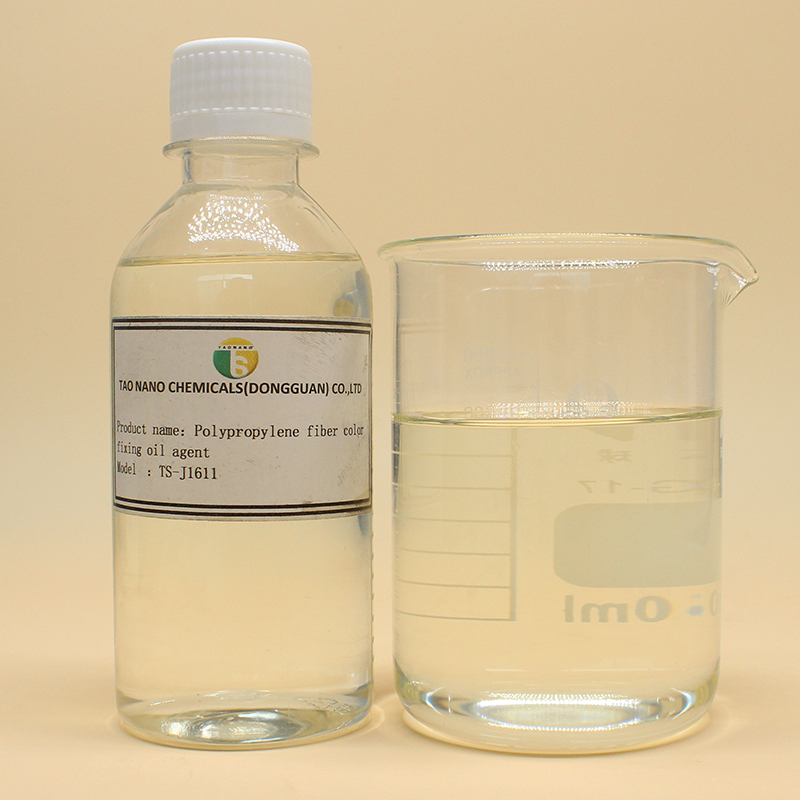
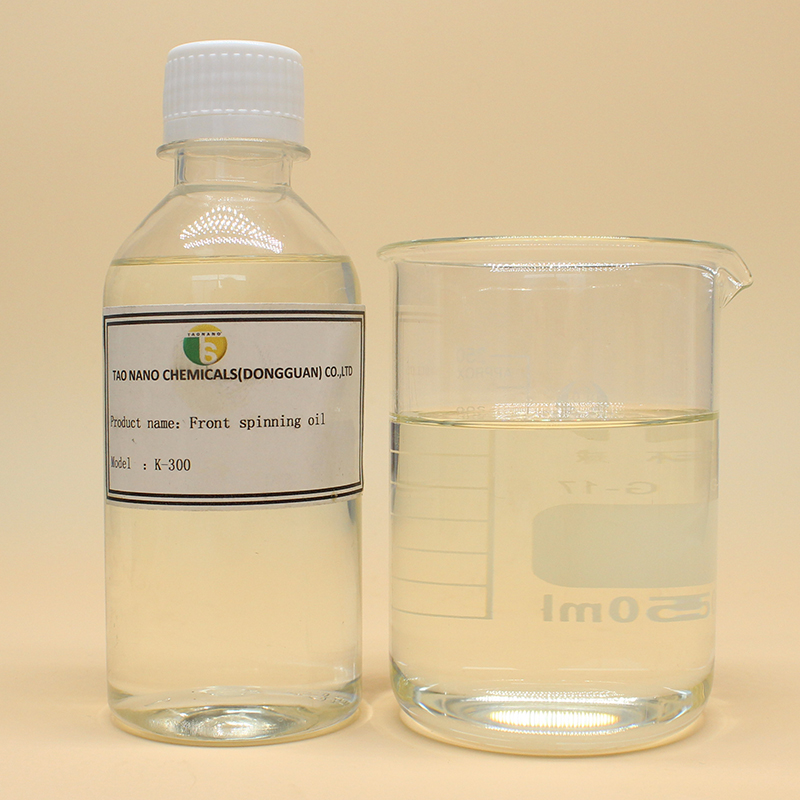
- Which Indicators of Polypropylene Staple Fiber Oil Determine Roller‑Wrapping and Fib
- What Cascading Troubles Will Pre‑Coking Heat‑Transfer Oil Bring to Polypropyle
- Deterioration and Odor of Polypropylene Yarn Pre-spinning Oil Emulsion: Common Pitfalls in
- Large Variation of Pick-up Rate of PP Pre-spinning Oil: How to Control Oil Uniformity on Y
- Fuzz and Break‑outs in High‑Speed Spinning with Polypropylene Pre‑Spinni