- Which Indicators of Polypropylene Staple Fiber Oil Determine Roller‑Wrapping and Fiber Agglomeration in High‑Speed Carding Process
- What Cascading Troubles Will Pre‑Coking Heat‑Transfer Oil Bring to Polypropylene Fiber Spinning Lines
- Deterioration and Odor of Polypropylene Yarn Pre-spinning Oil Emulsion: Common Pitfalls in Storage and Dilution
- Large Variation of Pick-up Rate of PP Pre-spinning Oil: How to Control Oil Uniformity on Yarn
- Fuzz and Break‑outs in High‑Speed Spinning with Polypropylene Pre‑Spinning Oil? Analysis of Pitfalls in Wetting Performance and Anti‑Coking Property

- Contact: Miss Tang
- Telephone: 0086-18926870629
- Email: taonano@taonanooil.com
- Address:No. 59, Liantang Road, Sanzhong Village, Qingxi Town, Dongguan City, Guangdong Province
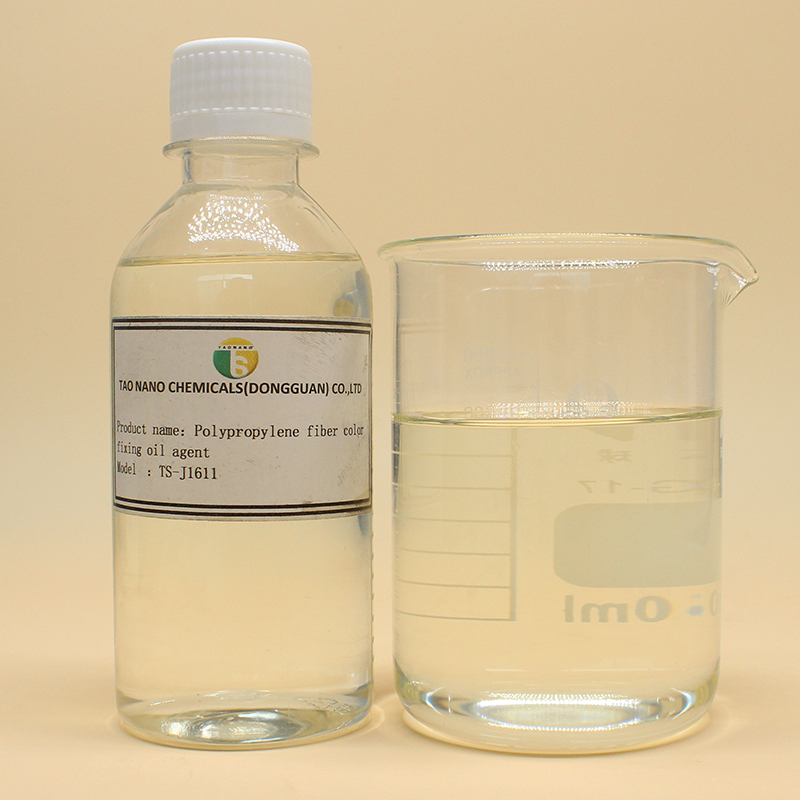
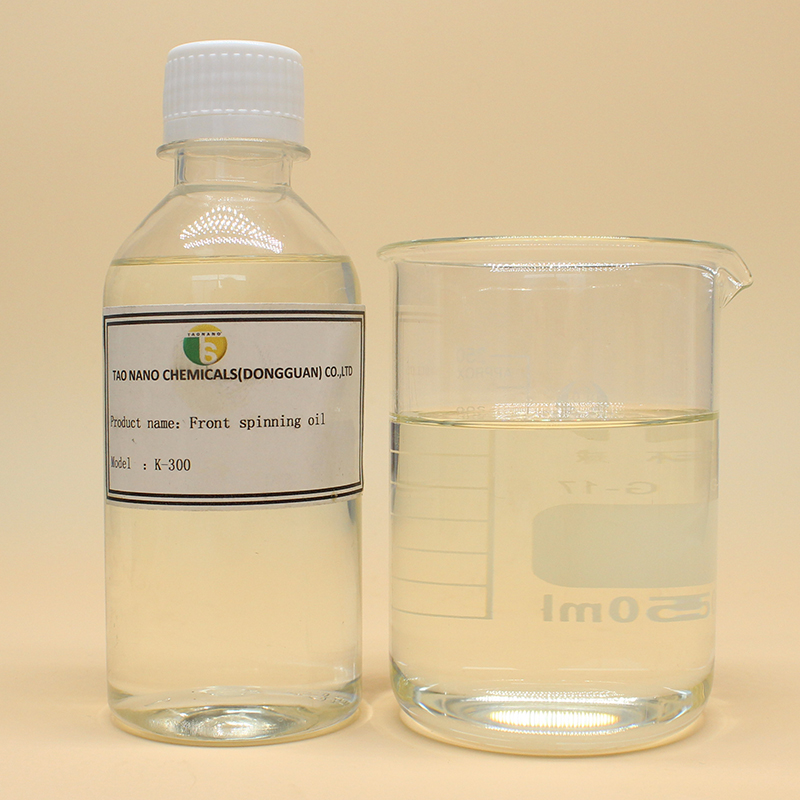
In the production process of polypropylene (PP) yarn, every step is of vital importance. However, there is an often overlooked but indispensable role - Polypropylene yarn spinning oil. It is not merely a simple "lubricating oil", but a core additive that determines the spinning efficiency, yarn quality and subsequent processing performance. This article will delve deeply into the functions, key components of Polypropylene yarn spinning oil and how to select the appropriate oil agent for your production process.
Why does polypropylene yarn require special spinning oil?
Polypropylene is a typical hydrophobic polymer material and does not possess the lubricity and cohesion of natural fibers such as cotton and wool by itself. During the high-speed spinning and stretching process, it will encounter:
Severe static electricity: Causes lint, broken ends, and poor winding and forming.
High coefficient of friction: It accelerates equipment wear, increases energy consumption, and may cause fiber damage.
Poor fiber bundling: Loose filament bundles affect subsequent twisting, weaving and other processes.
A professional Polypropylene yarn spinning oil is precisely designed to solve these problems. It is the "industrial blood" that ensures the smooth operation of production.
How to choose the right Polypropylene yarn spinning oil for you?
When choosing an oil agent, you need to comprehensively consider your production process and final product requirements:
Spinning process: Is it high-speed melt spinning, BCF (expanded continuous filament) or short fiber spinning? Different processes have different focuses on the smoothness and cohesiveness of the oil agent.
Subsequent applications: Is the yarn used for carpets, industrial fabrics, home decoration or clothing? Carpet yarns may require better grip, while clothing yarns have higher demands for softness and skin affinity.
- Which Indicators of Polypropylene Staple Fiber Oil Determine Roller‑Wrapping and Fib
- What Cascading Troubles Will Pre‑Coking Heat‑Transfer Oil Bring to Polypropyle
- Deterioration and Odor of Polypropylene Yarn Pre-spinning Oil Emulsion: Common Pitfalls in
- Large Variation of Pick-up Rate of PP Pre-spinning Oil: How to Control Oil Uniformity on Y
- Fuzz and Break‑outs in High‑Speed Spinning with Polypropylene Pre‑Spinni