
- Practical Influence of Thermal Stability of Polypropylene Yarn Spinning Oil on Hot‑Drawing Process
- Causes of Oil Pick‑up Fluctuation of Polypropylene Yarn Spinning Oil and Production‑Line Control Solutions
- What Cascading Troubles Will Pre‑Coking Heat‑Transfer Oil Bring to Polypropylene Fiber Spinning Lines
- Which Indicators of Polypropylene Staple Fiber Oil Determine Roller‑Wrapping and Fiber Agglomeration in High‑Speed Carding Process
- Deterioration and Odor of Polypropylene Yarn Pre-spinning Oil Emulsion: Common Pitfalls in Storage and Dilution
- Large Variation of Pick-up Rate of PP Pre-spinning Oil: How to Control Oil Uniformity on Yarn

- Contact: Miss Tang
- Telephone: 0086-18926870629
- Email: taonano@taonanooil.com
- Address:No. 59, Liantang Road, Sanzhong Village, Qingxi Town, Dongguan City, Guangdong Province
Types of Cutting Fluids
Cutting Fluids are classified into four main categories:
Straight Oils: Pure mineral oils or synthetic oils used for extreme pressure (EP) applications, offering superior lubrication but poor cooling. Common in grinding and tapping.
Soluble Oils: Emulsions of mineral oil in water, providing a balance of lubrication and cooling. Widely used in general machining.
Synthetic Fluids: Chemically formulated fluids (e.g., water-glycol, esters) offering excellent cooling and rust protection, ideal for high-speed operations.
Semi-Synthetic Fluids: Blends of synthetic and mineral oils, combining the benefits of both, often used in CNC machining centers.
Selection Criteria
Choosing the right Cutting Fluid depends on:
Machining Operation: High-speed cutting favors synthetic fluids, while heavy-duty operations may require straight oils.
Material Compatibility: Compatibility with workpiece and tool materials (e.g., avoiding corrosive fluids for aluminum).
Environmental Considerations: Biodegradability, toxicity, and waste disposal regulations.
Cost and Maintenance: Fluid lifespan, replenishment frequency, and system cleanliness requirements.
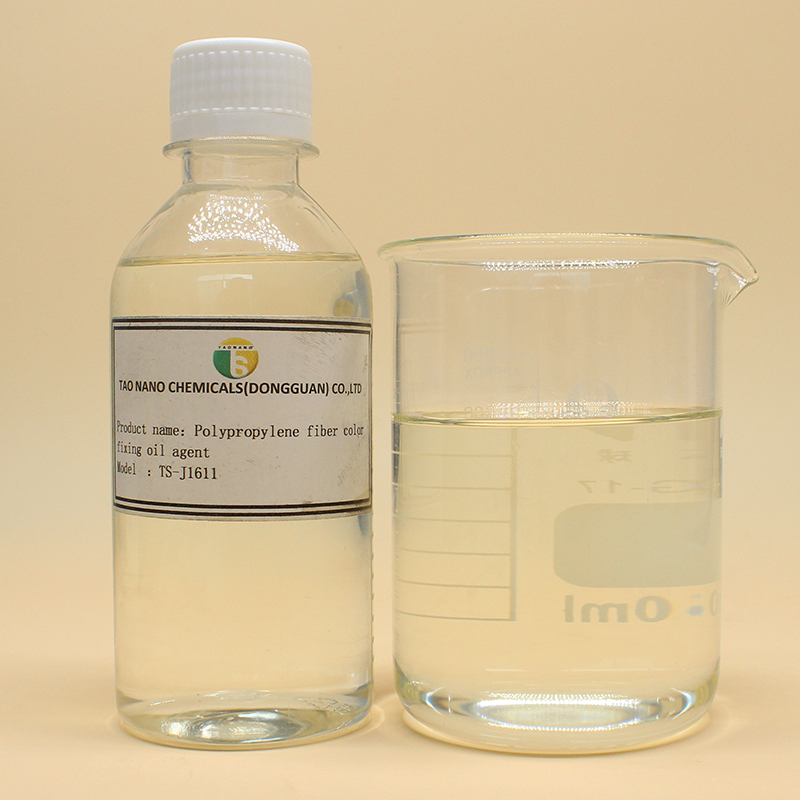
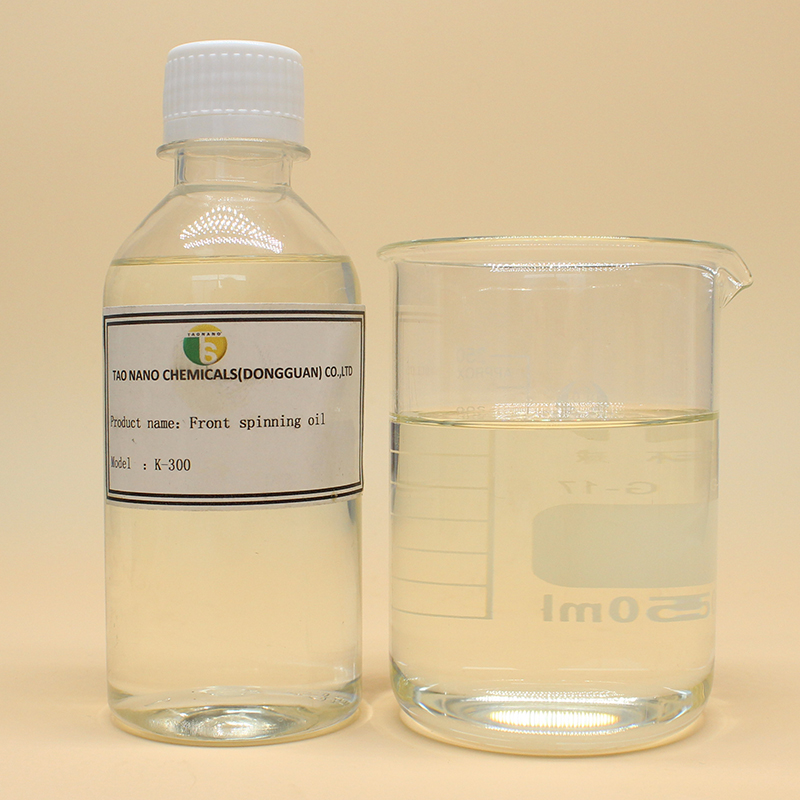
TAO NANO Chemicals(Dongguan)Co., Ltd. specializes in R&D, production and sales of lubricants, thermal oils, nanochemical materials, daily chemical products and their additives, lubricant additives, textile oils (polypropylene pre-spinning oil, hair oil, polypropylene BCF Oil agent, polypropylene color-fixing oil agent, polypropylene filament oil agent, polyester oil agent) cleaning agent, surfactant, water-repellent softener and other goods are imported and exported. During the journey of cultivation, we have accumulated more than 20 years of practical experience. At the same time, together with the group company, we have gradually developed a group of high-quality teams, including more than ten doctoral experts, more than 50 professional technicians, and a management team of more than 100 people. The subsidiary factory covers a total area of about 60 acres.
- Practical Influence of Thermal Stability of Polypropylene Yarn Spinning Oil on Hot‑D
- Causes of Oil Pick‑up Fluctuation of Polypropylene Yarn Spinning Oil and Production&
- What Cascading Troubles Will Pre‑Coking Heat‑Transfer Oil Bring to Polypropyle
- Which Indicators of Polypropylene Staple Fiber Oil Determine Roller‑Wrapping and Fib
- Deterioration and Odor of Polypropylene Yarn Pre-spinning Oil Emulsion: Common Pitfalls in
- Large Variation of Pick-up Rate of PP Pre-spinning Oil: How to Control Oil Uniformity on Y