

- Which Indicators of Polypropylene Staple Fiber Oil Determine Roller‑Wrapping and Fiber Agglomeration in High‑Speed Carding Process
- What Cascading Troubles Will Pre‑Coking Heat‑Transfer Oil Bring to Polypropylene Fiber Spinning Lines
- Deterioration and Odor of Polypropylene Yarn Pre-spinning Oil Emulsion: Common Pitfalls in Storage and Dilution
- Large Variation of Pick-up Rate of PP Pre-spinning Oil: How to Control Oil Uniformity on Yarn
- Fuzz and Break‑outs in High‑Speed Spinning with Polypropylene Pre‑Spinning Oil? Analysis of Pitfalls in Wetting Performance and Anti‑Coking Property

- Contact: Miss Tang
- Telephone: 0086-18926870629
- Email: taonano@taonanooil.com
- Address:No. 59, Liantang Road, Sanzhong Village, Qingxi Town, Dongguan City, Guangdong Province
Textile auxiliaries are indispensable chemicals in the process of textile production and processing. They play an important role in improving the quality and added value of textile products. Textile auxiliaries can not only give textiles a variety of special functions and styles, such as softness, wrinkle, shrink, waterproof, antibacterial, antistatic, flame retardant, etc., but also improve the dyeing and finishing process, saving energy and reducing processing costs. According to the processing steps and uses, textile auxiliaries can be divided into printing and dyeing pretreatment agent, printing and dyeing auxiliaries and finishing agent three categories.
Printing and dyeing pretreatment agent: including penetrant, wetting agent, emulsifier, cleaning agent, etc. Penetrants increase the permeability of fiber materials, wetting agents reduce the surface tension of water, emulsifiers mix water and oil, and cleaning agents remove impurities and stains from fabric surfaces.
Printing and dyeing auxiliaries: chemicals added during the dyeing process to help the dye fix to the fiber and improve the dyeing effect. Including water softener, chelating dispersant, etc., water softener removes calcium, magnesium and other metal ions in water, and chelating dispersant separates metal ions from dyes to avoid affecting the dyeing effect.
Finishing agent: through physical and chemical processing to improve the appearance and internal quality of textiles, improve the feel, stabilize the form, improve the wear performance or give the textile some special functions.
In addition, there are special silicone printing and dyeing auxiliaries, such as silicone softener, fluorine-free water repellent, anti-wrinkle finishing agent, etc. These auxiliaries are widely used in cotton, hemp, silk, wool and other fibers finishing, giving fabrics a variety of excellent properties.
Declaration: The content of this article is organized from the Internet, and the copyright belongs to the original author; If there is infringement, please inform in time and contact to delete.
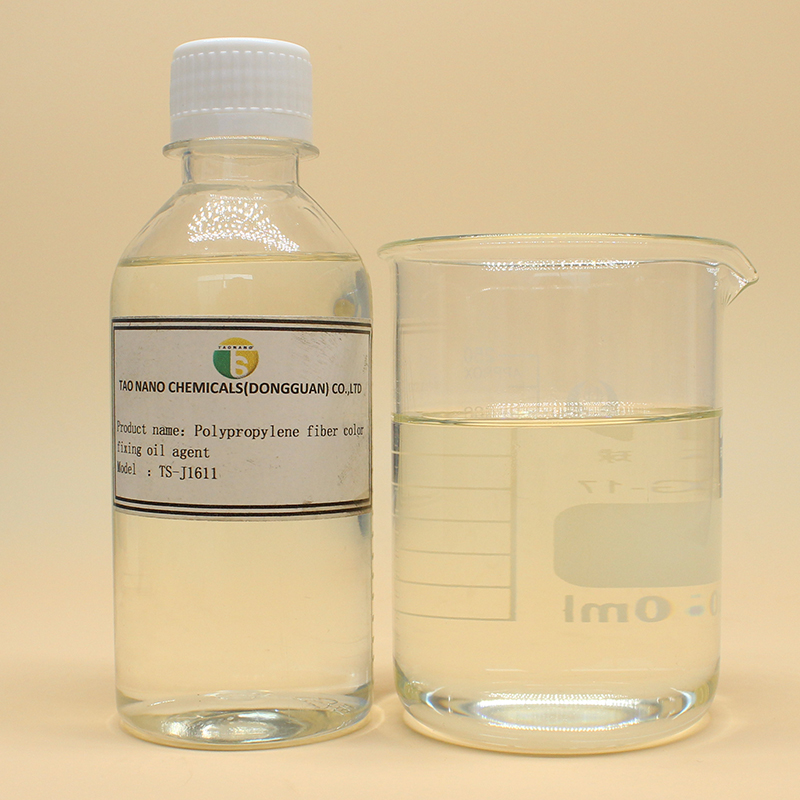
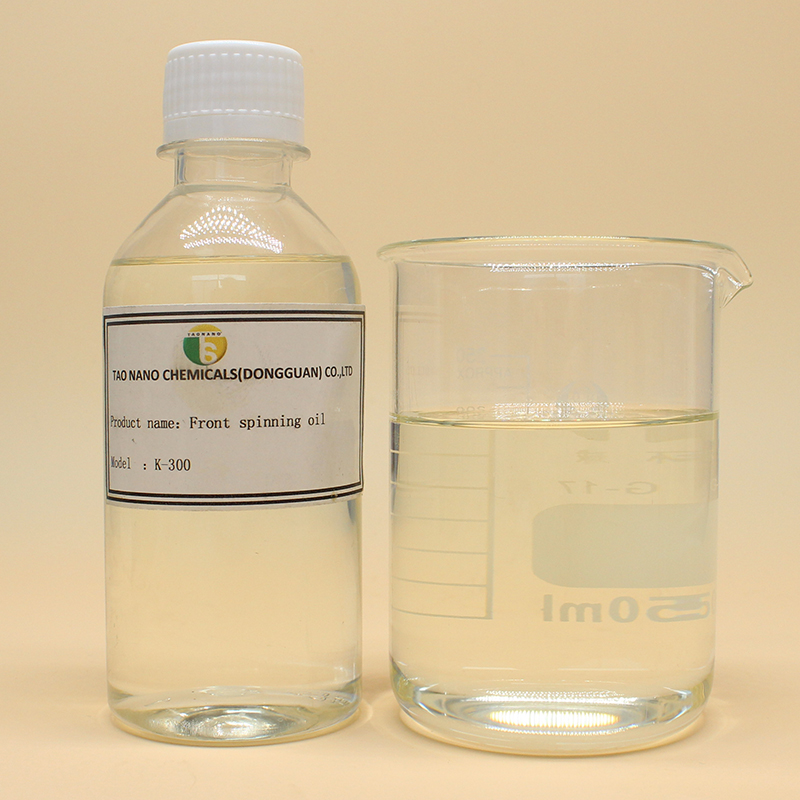
- Which Indicators of Polypropylene Staple Fiber Oil Determine Roller‑Wrapping and Fib
- What Cascading Troubles Will Pre‑Coking Heat‑Transfer Oil Bring to Polypropyle
- Deterioration and Odor of Polypropylene Yarn Pre-spinning Oil Emulsion: Common Pitfalls in
- Large Variation of Pick-up Rate of PP Pre-spinning Oil: How to Control Oil Uniformity on Y
- Fuzz and Break‑outs in High‑Speed Spinning with Polypropylene Pre‑Spinni