

- Fuzz and Break‑outs in High‑Speed Spinning with Polypropylene Pre‑Spinning Oil? Analysis of Pitfalls in Wetting Performance and Anti‑Coking Property
- How to Match Proper Spinning Oil for Geotextile and Hygiene‑Grade Polypropylene Staple Fiber
- Carding‑Roller Tangling Caused by Polypropylene Staple Fiber Oil? Analysis of Production Risks Brought by Thermal‑Stability & Emulsion Compatibility
- Tighter Environmental‑protection Requirements Require Spinning Oil Agents to Balance Spinning Performance and Waste‑water Treatability
- Focusing on Circulating‑oiling Working Conditions, Tao Nano Chemicals Optimizes Low‑foam & Anti‑precipitation Performance of Polypropylene yarn spinning oil

- Contact: Miss Tang
- Telephone: 0086-18926870629
- Email: taonano@taonanooil.com
- Address:No. 59, Liantang Road, Sanzhong Village, Qingxi Town, Dongguan City, Guangdong Province
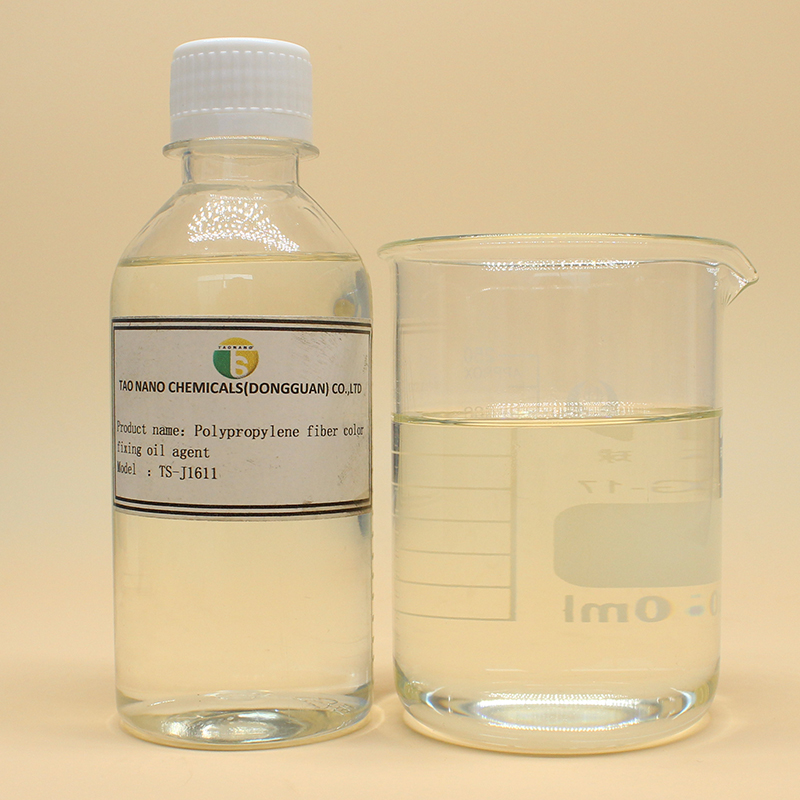
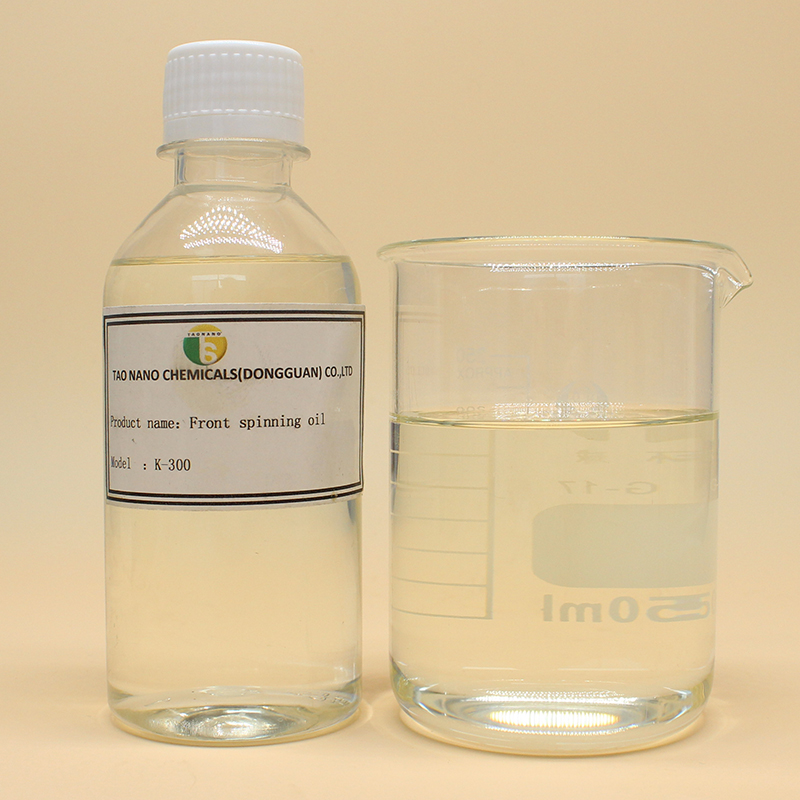
When producing polypropylene yarn, the Polypropylene yarn spinning oil directly affects the smoothness of the fibers and the quality of the finished product. Many manufacturers have encountered problems such as fuzz, broken ends or uneven stretching. The root cause often lies in the matching degree of the oil agent.
Polypropylene yarn spinning oil needs to balance lubrication and bundling. Since polypropylene is hydrophobic by nature, if the oil agent has poor spreading properties, the friction coefficient between individual fibers will be relatively high, which may cause fraying during the subsequent weaving process. Experience shows that when choosing Polypropylene yarn spinning oil, the key factors to consider are two indicators: the dynamic friction coefficient should be controlled within the range of 0.25-0.35, and the oil film strength should be above 60 kilograms. This can reduce the wear of the guide wire device and extend the equipment cleaning cycle.
The heat resistance of the PP yarn oiling agent cannot be ignored. The spinning temperature ranges from 180 to 230 degrees Celsius. Low volatile oiling agents can reduce smoke and coking. In actual production, the oiling rate is ideally controlled at 0.8% to 1.2%. Too high will contaminate the heat rollers, and too low will not provide sufficient protection. It is recommended to test the concentration of the oil tank every shift and monitor the addition amount with a refractometer.
The emulsification stability of the spinning lubricant affects the rewinding performance. Some factories have found that after being stored for two months, the lubricant layer would separate, indicating that the oil agent system has a weak resistance to hydrolysis.
A combination of synthetic esters and mineral oil can be selected, along with the addition of non-ionic emulsifiers. After applying the oil, the yarn contains uniform oil content, and the uniformity of dyeing can also be improved by half a grade.
For fine-denier polypropylene fibers (below 1.5D), the processing additives for polypropylene need to have a lower viscosity. The kinematic viscosity at 40℃ should be controlled within 15-25 cSt. If it is too thick, the penetration will be slow. For coarser denier fibers, a high-viscosity type should be selected to enhance the cohesion.
In terms of daily maintenance, regularly clean the coke deposits on the surface of the oil rollers and the wire guide. Test the pH value of the oil agent once a week, keeping it between 6.5 and 7.5. A high acid content will corrode the equipment, while a high alkaline content will reduce the anti-static property.
Proper use of Polypropylene yarn spinning oil can reduce the breakage rate by about 30% and significantly decrease the amount of waste yarn. The key lies in adjusting the oil formulation according to the yarn specifications and establishing a standardized addition and testing process.
- Fuzz and Break‑outs in High‑Speed Spinning with Polypropylene Pre‑Spinni
- How to Match Proper Spinning Oil for Geotextile and Hygiene‑Grade Polypropylene Stap
- Carding‑Roller Tangling Caused by Polypropylene Staple Fiber Oil? Analysis of Produc
- Tighter Environmental‑protection Requirements Require Spinning Oil Agents to Balance
- Focusing on Circulating‑oiling Working Conditions, Tao Nano Chemicals Optimizes Low&