
- Fuzz and Break‑outs in High‑Speed Spinning with Polypropylene Pre‑Spinning Oil? Analysis of Pitfalls in Wetting Performance and Anti‑Coking Property
- How to Match Proper Spinning Oil for Geotextile and Hygiene‑Grade Polypropylene Staple Fiber
- Carding‑Roller Tangling Caused by Polypropylene Staple Fiber Oil? Analysis of Production Risks Brought by Thermal‑Stability & Emulsion Compatibility
- Tighter Environmental‑protection Requirements Require Spinning Oil Agents to Balance Spinning Performance and Waste‑water Treatability
- Focusing on Circulating‑oiling Working Conditions, Tao Nano Chemicals Optimizes Low‑foam & Anti‑precipitation Performance of Polypropylene yarn spinning oil

- Contact: Miss Tang
- Telephone: 0086-18926870629
- Email: taonano@taonanooil.com
- Address:No. 59, Liantang Road, Sanzhong Village, Qingxi Town, Dongguan City, Guangdong Province
Polypropylene yarn spinning oil plays an essential role in the production of polypropylene fibers and filaments. Applied during the spinning process, this specialized lubricant modifies the surface properties of the fiber, reducing friction, controlling static electricity, and improving cohesion among filaments. These functions directly influence spinning stability, downstream processing efficiency, and final product quality.
The composition of Polypropylene yarn spinning oil typically includes base oils, antistatic agents, emulsifiers, and lubricity modifiers. Each component serves a distinct purpose. Base oils provide the primary lubricating film that reduces metal-to-fiber friction. Antistatic agents prevent charge accumulation that can cause filament separation or entanglement during high-speed operations. Emulsifiers ensure uniform dispersion when the oil is diluted with water, while lubricity modifiers fine-tune the coefficient of friction to match specific processing conditions.
Friction control represents one of the primary functions of spinning oil. During melt spinning, the freshly formed filaments pass over guide surfaces, rollers, and other equipment. Without adequate lubrication, friction levels can rise, leading to filament breaks, surface damage, and inconsistent tension. Properly formulated Polypropylene yarn spinning oil maintains friction within a controlled range, allowing for smooth operation at take-up speeds that may exceed 3,000 meters per minute.
Static electricity management is equally important. Polypropylene inherently exhibits high electrical resistance, making static buildup a common challenge during spinning and winding. Accumulated static charge causes filaments to repel each other, resulting in poor package formation, increased fly generation, and handling difficulties. The antistatic components in spinning oil reduce surface resistivity, allowing static charge to dissipate gradually rather than building up to problematic levels.
The method of application varies depending on equipment configuration. Many spinning lines employ metering pumps that deliver diluted oil emulsion to a finish applicator, such as a ceramic disk or roller, where the oil is transferred to the moving yarn. Proper concentration control is critical; insufficient oil leads to inadequate lubrication, while excessive oil can cause smoking during heat setting or staining in downstream processes. Typical application rates for Polypropylene yarn spinning oil range from 0.8 to 1.5 percent oil on weight of fiber, though exact levels depend on denier, processing speed, and intended end use.
Heat resistance is a key performance attribute. Polypropylene yarn undergoes heat treatment during drawing, texturing, or heat setting, where temperatures can reach 120 to 150 degrees Celsius. Spinning oils with inadequate thermal stability may volatilize, smoke, or decompose, leaving residues that accumulate on heated surfaces. These deposits can transfer to the yarn, cause uneven heating, and require frequent equipment cleaning. High-quality spinning oils maintain stability under thermal exposure, minimizing residue formation and extending production runs between cleanings.
For textured yarn production, the spinning oil must also support the mechanical action of false-twist texturing or air jet processing. The oil should provide sufficient lubricity to reduce wear on texturing discs or nozzles while allowing the filaments to separate and recombine cleanly. Inconsistent lubrication at this stage can result in uneven texture, poor dye uptake, or broken filaments.
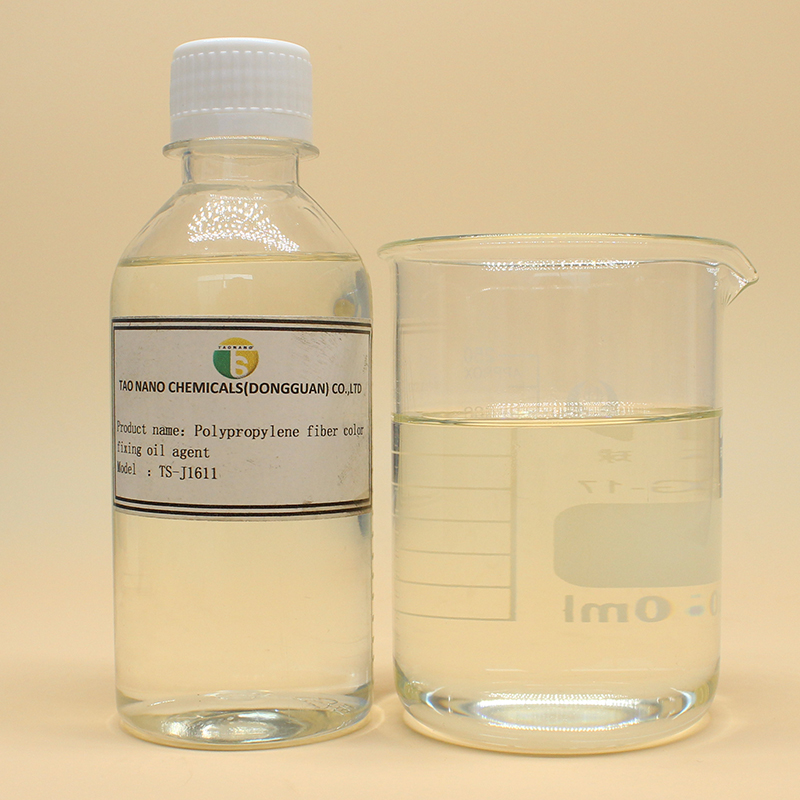
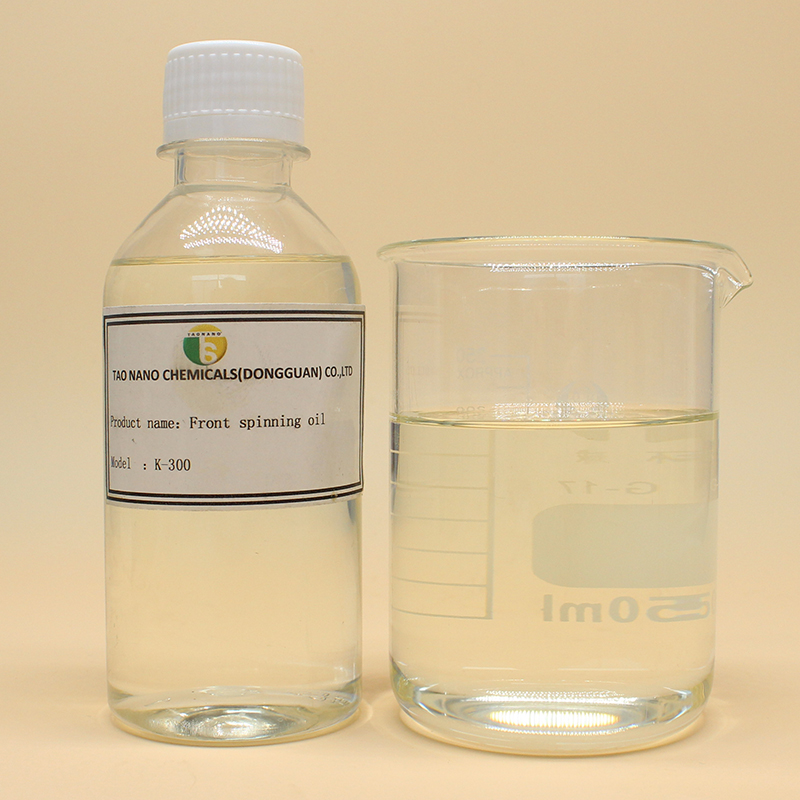
Storage and handling requirements are straightforward. Polypropylene yarn spinning oil is typically supplied as a clear to pale yellow liquid with a mild odor. It should be stored in sealed containers at room temperature, protected from direct sunlight and moisture. Dilution with soft water is recommended to prevent mineral buildup that could interfere with application uniformity. Regular monitoring of emulsion concentration, pH, and bacterial contamination helps maintain consistent performance over time.
Manufacturers selecting a spinning oil should consider their specific equipment type, production speed, and downstream processes. Oils formulated for partially oriented yarn may differ from those intended for fully drawn yarn or textured products. Evaluating thermal stability, emulsion stability, and compatibility with other processing aids ensures that the chosen product aligns with production requirements without introducing complications.
- Fuzz and Break‑outs in High‑Speed Spinning with Polypropylene Pre‑Spinni
- How to Match Proper Spinning Oil for Geotextile and Hygiene‑Grade Polypropylene Stap
- Carding‑Roller Tangling Caused by Polypropylene Staple Fiber Oil? Analysis of Produc
- Tighter Environmental‑protection Requirements Require Spinning Oil Agents to Balance
- Focusing on Circulating‑oiling Working Conditions, Tao Nano Chemicals Optimizes Low&